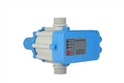
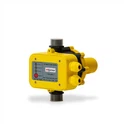
Hey there! As a supplier of Automatic Pump Pressure Switches, I often get asked a bunch of questions about our products. One of the most common queries is, "Do automatic pump pressure switches have a built - in pressure gauge?" Let's dive right into this topic and clear up any confusion.
First off, not all automatic pump pressure switches come with a built - in pressure gauge. It really depends on the specific model and its intended use. Some basic models are designed to be simple and cost - effective. They focus on the core function of turning the pump on and off based on pre - set pressure levels without the added feature of a pressure gauge. These switches are great for applications where you don't need to constantly monitor the pressure, like in small - scale residential water systems where the pressure requirements are pretty stable.
On the other hand, there are high - end models that do have a built - in pressure gauge. These are usually used in more complex systems where accurate pressure monitoring is crucial. For example, in industrial settings or large commercial buildings, the water pressure needs to be precisely regulated. A built - in pressure gauge allows operators to quickly check the current pressure and make adjustments if necessary. It's like having a little window into the system's performance at a glance.
Let me give you an example of how useful a built - in pressure gauge can be. Imagine you're running a large agricultural irrigation system. The pressure needs to be just right to ensure that water is distributed evenly across the fields. With an automatic pump pressure switch that has a built - in pressure gauge, you can easily see if the pressure is too high or too low. If it's too high, it could damage the pipes or waste water. If it's too low, the crops might not get enough water. So, in this case, the pressure gauge is a real game - changer.
Now, let's talk about some of the benefits of having a built - in pressure gauge in an automatic pump pressure switch.
Benefits of a Built - in Pressure Gauge
- Real - time Monitoring: You can instantly see the pressure in the system. This helps in detecting any sudden changes or malfunctions early on. For instance, if there's a blockage in the pipes, the pressure might spike, and you can take action before it causes serious damage.
- Easy Adjustment: It makes it much easier to set the correct pressure levels. You don't have to rely on guesswork or external pressure - measuring devices. Just look at the gauge and adjust the switch accordingly.
- Maintenance and Troubleshooting: When it comes to maintenance, the pressure gauge provides valuable information. If the pressure is consistently off, it could indicate a problem with the pump, the switch, or other components in the system. This helps in quickly identifying and fixing issues.
But, of course, there are also some drawbacks to consider.
Drawbacks of a Built - in Pressure Gauge
- Cost: Switches with built - in pressure gauges are generally more expensive. The gauge adds to the manufacturing cost, and that cost is passed on to the customer. So, if you're on a tight budget, a basic switch without a gauge might be a better option.
- Complexity: They can be a bit more complex to install and operate. The gauge requires calibration, and there are more components that can potentially fail. This means you might need more technical knowledge to handle these switches.
At our company, we offer a wide range of automatic pump pressure switches, both with and without built - in pressure gauges. If you're looking for a high - quality option, check out our High Quality Water Pump Controller. It's a great choice for those who need a reliable and efficient switch.
For applications that require a lower voltage, we have the 24V DC Water Pump Switch. This switch is designed to work well in systems where a 24V power supply is used.


And if you're looking for a switch with international certifications, our Water Pump Pressure Controller with CE TUV Certificate is the way to go. It meets strict quality and safety standards, giving you peace of mind.
So, when choosing an automatic pump pressure switch, you need to consider your specific needs. If you need accurate pressure monitoring and can afford the extra cost, a switch with a built - in pressure gauge is a great option. But if you're on a budget and don't need constant pressure monitoring, a basic switch will do the job just fine.
If you're interested in learning more about our products or have any questions about which switch is right for you, don't hesitate to reach out. We're here to help you make the best choice for your system. Whether you're a homeowner looking to upgrade your water system or an industrial operator in need of a reliable pump switch, we've got you covered.
In conclusion, the decision of whether an automatic pump pressure switch should have a built - in pressure gauge depends on your requirements, budget, and the complexity of your system. We're always happy to assist you in finding the perfect solution for your pumping needs.
References
- Various industry manuals on automatic pump pressure switches
- Technical specifications of our own automatic pump pressure switch products