As a seasoned supplier of Automatic Pump Pressure Switches, I often receive inquiries from customers eager to take on the challenge of self - installation. This blog aims to explore the feasibility of installing an automatic pump pressure switch on your own, providing you with the knowledge to make an informed decision.
Understanding Automatic Pump Pressure Switches
Before delving into the installation process, it's crucial to understand what an automatic pump pressure switch is and how it functions. An automatic pump pressure switch is a device that controls the operation of a water pump based on the pressure in the water system. When the water pressure drops below a certain set point, the switch activates the pump, and when the pressure reaches an upper limit, it shuts the pump off.
These switches are essential components in water supply systems, ensuring a consistent and reliable water flow. They are commonly used in residential, commercial, and industrial settings, from small home wells to large - scale water treatment plants.
Tools and Materials Required
If you decide to install an automatic pump pressure switch yourself, you'll need a few basic tools and materials. These typically include:
- A wrench set: For loosening and tightening nuts and bolts.
- Screwdrivers: Both flat - head and Phillips - head, to remove and install covers and terminals.
- Pipe tape: To ensure a watertight seal on threaded connections.
- Electrical tape: To insulate electrical connections and prevent short - circuits.
- A multimeter: To test for electrical current and voltage, ensuring safe installation.
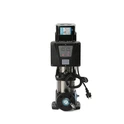
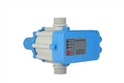
In addition to these tools, you'll need the automatic pump pressure switch itself. As a supplier, we offer a range of high - quality switches, such as the Factory Water Pump Switch, which is designed for durability and efficient performance.
Step - by - Step Installation Guide
Step 1: Safety First
Before you begin any installation work, ensure that the power to the pump is turned off. This can usually be done by switching off the circuit breaker in your electrical panel. Use a multimeter to double - check that there is no electrical current flowing to the pump.
Step 2: Locate the Existing Pressure Switch
If your water system already has a pressure switch, locate it. It is typically installed near the pressure tank and is connected to the pump and the water pipes. Take note of how the existing switch is wired and connected to the pipes.
Step 3: Remove the Old Pressure Switch
Use your wrench to loosen the nuts connecting the pressure switch to the water pipes. Carefully disconnect the electrical wires from the switch terminals. Be sure to label the wires so that you can reconnect them correctly later.
Step 4: Prepare the New Pressure Switch
Apply pipe tape to the threaded ends of the new pressure switch. This will help create a tight seal when you connect it to the water pipes.
Step 5: Install the New Pressure Switch
Connect the new pressure switch to the water pipes using your wrench to tighten the nuts. Make sure the connections are secure but not over - tightened, as this could damage the switch or the pipes.
Step 6: Connect the Electrical Wires
Reconnect the electrical wires to the appropriate terminals on the new pressure switch, following the labels you made earlier. Use electrical tape to insulate the connections and prevent any exposed wires.
Step 7: Test the Installation
Once the new pressure switch is installed and the electrical connections are made, turn the power back on at the circuit breaker. Check for any leaks around the switch and the water pipes. Monitor the pump's operation to ensure that the pressure switch is functioning correctly.
Potential Challenges and Considerations
While installing an automatic pump pressure switch can be a relatively straightforward process, there are some potential challenges and considerations to keep in mind.


- Electrical Knowledge: If you're not familiar with electrical work, the wiring process can be intimidating. Incorrect wiring can lead to electrical hazards, such as short - circuits or electric shocks. If you're unsure, it may be best to hire a professional electrician.
- Pipe Fittings: Ensuring a proper seal on the water pipe connections is crucial. If the connections are not tight enough, water leaks can occur, leading to water damage and reduced system efficiency.
- Pressure Settings: Different water systems require different pressure settings on the pressure switch. Incorrect pressure settings can cause the pump to run too frequently or not at all. Consult the manufacturer's instructions or a professional for guidance on setting the correct pressure.
Our Product Range
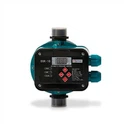
As a supplier of Automatic Pump Pressure Switches, we offer a wide range of products to meet your needs. Our Water Pump Pressure Controller with CE TUV Certificate is a reliable choice, meeting strict European safety and quality standards. It is suitable for various water systems and provides accurate pressure control.
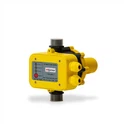
We also have the Clean Pump Controller with European Plug, which is designed for easy installation and operation. This controller is ideal for small - to - medium - sized water systems, offering efficient performance and long - term reliability.
Conclusion
In conclusion, installing an automatic pump pressure switch yourself is possible if you have the necessary tools, knowledge, and confidence. However, it's important to approach the installation process with caution and follow all safety procedures. If you're unsure about any aspect of the installation, it's always best to consult a professional.
As a leading supplier of Automatic Pump Pressure Switches, we are committed to providing high - quality products and excellent customer service. If you're interested in purchasing a pressure switch or have any questions about installation or product selection, we encourage you to contact us for a purchase negotiation. Our team of experts is ready to assist you in finding the right solution for your water system.
References
- General Plumbing and Electrical Installation Guides
- Manufacturer's Instructions for Automatic Pump Pressure Switches