As a supplier of water pump pressure tanks, I often receive various questions from customers. One question that comes up quite frequently is, "Can a water pump pressure tank be painted?" This seemingly simple question actually involves multiple aspects, including the material of the tank, the purpose of painting, and the impact on the tank's performance. In this blog, I'll delve into this topic in detail to provide you with a comprehensive understanding.
Understanding Water Pump Pressure Tanks
Before discussing whether a water pump pressure tank can be painted, it's essential to understand what these tanks are and how they work. Water pump pressure tanks are used in water supply systems to store water under pressure. They help maintain a consistent water pressure in the system, reducing the frequency of pump cycling. This not only extends the lifespan of the pump but also provides a more stable water supply.


These tanks are typically made of different materials, such as steel, fiberglass, or plastic. Each material has its own characteristics, which will influence the painting process and the suitability of painting.
Factors to Consider Before Painting
Material of the Tank
- Steel Tanks: Steel is a commonly used material for water pump pressure tanks. It is strong and durable but prone to rusting. Painting a steel tank can provide an additional layer of protection against corrosion. However, it's crucial to prepare the surface properly before painting. Any rust or scale on the surface should be removed, and a primer should be applied to ensure good adhesion of the paint.
- Fiberglass Tanks: Fiberglass tanks are lightweight and resistant to corrosion. Painting a fiberglass tank may not be necessary for corrosion protection. However, if you want to change the appearance of the tank or add some markings, you can paint it. But make sure to use a paint that is compatible with fiberglass. Some paints may not adhere well to fiberglass surfaces, leading to peeling or flaking.
- Plastic Tanks: Plastic tanks are also popular due to their low cost and resistance to corrosion. Painting a plastic tank can be challenging because most paints do not adhere well to plastic surfaces. Special plastic primers and paints are required to ensure proper adhesion. Additionally, some paints may contain chemicals that can damage the plastic over time.
Purpose of Painting
- Protection: As mentioned earlier, painting a steel tank can protect it from rusting. The paint acts as a barrier between the steel and the environment, preventing moisture and oxygen from reaching the surface of the tank.
- Appearance: You may want to paint the tank to match the surrounding environment or to add some branding. For example, if you are using the tank in a residential area, you may choose a color that blends in with the landscape. Or, if you are a business, you can paint your logo or company name on the tank.
- Identification: Painting can also be used for identification purposes. You can paint different colors or markings on the tank to indicate its function, such as a hot water tank or a cold water tank.
Impact on Performance
- Heat Transfer: Painting the tank may affect its heat transfer properties. Dark-colored paints absorb more heat than light-colored paints. If the tank is located in a hot environment, a dark-colored paint may cause the water inside the tank to heat up, which can be a problem for some applications.
- Pressure Rating: In some cases, painting the tank may affect its pressure rating. If the paint is too thick or not applied evenly, it may cause stress concentrations on the tank surface, reducing its pressure resistance. Therefore, it's important to follow the manufacturer's recommendations when painting the tank.
How to Paint a Water Pump Pressure Tank
If you have decided to paint your water pump pressure tank, here are the general steps you can follow:
- Prepare the Surface: Clean the surface of the tank thoroughly to remove any dirt, grease, rust, or scale. You can use a wire brush, sandpaper, or a pressure washer to clean the surface. For steel tanks, it's recommended to apply a rust converter to prevent further rusting.
- Apply a Primer: A primer is essential for ensuring good adhesion of the paint. Choose a primer that is suitable for the material of your tank. Apply the primer evenly using a brush or a spray gun. Let the primer dry completely according to the manufacturer's instructions.
- Choose the Right Paint: Select a paint that is suitable for the environment and the purpose of the tank. For outdoor tanks, choose a paint that is resistant to UV rays and weathering. For indoor tanks, you can choose a paint that is non-toxic and odorless.
- Apply the Paint: Apply the paint in thin, even coats. Allow each coat to dry completely before applying the next one. You may need to apply multiple coats to achieve the desired finish.
- Cure the Paint: After painting, let the tank cure for the recommended time. This will ensure that the paint is fully hardened and provides the best protection.
Related Accessories
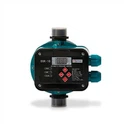
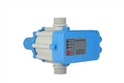
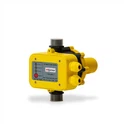
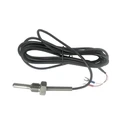
In addition to water pump pressure tanks, we also offer a range of accessories to enhance the performance of your water supply system. For example, the VLF - 309 Pressure Transmitter can accurately measure the pressure in the tank and provide feedback to the control system. The Automatic Pump Mechanical Switch can automatically turn the pump on and off based on the water pressure in the tank. And the Water Pump Float Switch can control the water level in the tank.
Conclusion
In conclusion, a water pump pressure tank can be painted, but it depends on the material of the tank, the purpose of painting, and the impact on performance. If you follow the proper procedures and choose the right paint, painting the tank can provide additional protection and improve its appearance. However, it's important to consult the manufacturer's recommendations before painting to ensure that you do not void the warranty or affect the performance of the tank.
If you have any questions about water pump pressure tanks or need further advice on painting, please feel free to contact us. We are always ready to assist you with your water supply needs and look forward to discussing potential procurement opportunities with you.
References
- Smith, J. (2020). Water Supply Systems: Design and Installation. New York: ABC Publishing.
- Johnson, M. (2019). Corrosion Protection of Steel Tanks. London: XYZ Press.
- Brown, R. (2018). Fiberglass and Plastic Tanks: Properties and Applications. Chicago: DEF Books.