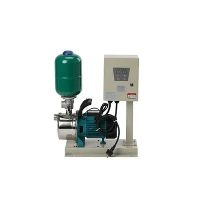
Hey there! As a supplier of water pump pressure sensors, I often get asked a ton of questions about where and how our products can be used. One question that pops up quite a bit is, "Can a water pump pressure sensor be used in a saltwater environment?" Well, let's dig into this topic and find out.
First off, let's understand what a water pump pressure sensor does. It's a crucial part of a water pump system. Its job is to measure the pressure of the water in the system and send that info to a control unit. Based on the pressure reading, the control unit can then decide whether to turn the pump on or off, adjust the flow rate, and so on. This helps in maintaining a stable and efficient water supply.
Now, when it comes to using these sensors in a saltwater environment, there are a few things we need to consider. Saltwater is a whole different ballgame compared to freshwater. It's highly corrosive due to the presence of salts, mainly sodium chloride. These salts can cause all sorts of problems for the components of a water pump pressure sensor.
The most obvious issue is corrosion. The metal parts of the sensor, like the housing, connectors, and internal components, are at risk of rusting and deteriorating when exposed to saltwater. Corrosion can damage the sensor's structure, leading to leaks, malfunctions, and ultimately, a shorter lifespan. Even small amounts of corrosion can affect the accuracy of the pressure readings, which is a big no - no when you're relying on the sensor to control the water pump properly.
Another concern is the electrical conductivity of saltwater. Saltwater is a good conductor of electricity. This can create problems for the electrical components of the sensor. Electrical short - circuits can occur, which can fry the sensor's electronics and render it useless. Also, the conductivity can interfere with the sensor's signal transmission, causing inaccurate or inconsistent readings.
But hey, don't lose hope just yet! Not all is doom and gloom. There are ways to make water pump pressure sensors work in a saltwater environment.
One solution is to use sensors with corrosion - resistant materials. For example, some sensors are made with stainless steel or other alloys that are more resistant to the corrosive effects of saltwater. These materials can withstand the harsh conditions for a longer time, reducing the risk of corrosion and extending the sensor's lifespan.
Another option is to coat the sensor with a protective layer. Specialized coatings can act as a barrier between the sensor and the saltwater, preventing direct contact and reducing the chances of corrosion. These coatings can be made of polymers or other materials that are resistant to the chemicals in saltwater.
We also offer sensors with sealed designs. A well - sealed sensor can prevent saltwater from seeping into the internal components, protecting the electronics from damage. This is especially important for the electrical connections and the sensitive pressure - sensing elements.
Now, let's talk about some of the other water pump accessories we have that can work in tandem with the pressure sensor in a saltwater environment.


We have a great Temperature Sensor. In a saltwater system, the temperature can have an impact on the pressure and the overall performance of the pump. The temperature sensor can monitor the water temperature and provide valuable data to the control unit. This data can be used to adjust the pump's operation, ensuring optimal performance even in changing temperature conditions.
Our Industrial Plastic Expansion Tank is another useful accessory. In a saltwater system, the expansion tank can help regulate the pressure fluctuations caused by changes in temperature and water flow. Made of industrial - grade plastic, it's resistant to the corrosive effects of saltwater, making it a great addition to any saltwater water pump setup.
And then there's our Adjustable Pump Mechanical Switch. This switch can be used in conjunction with the pressure sensor to control the pump's operation. It allows for easy adjustment of the pressure settings, giving you more control over the water pump in a saltwater environment.
So, to answer the question, yes, a water pump pressure sensor can be used in a saltwater environment, but it requires some careful considerations and the right design features. We've put a lot of effort into developing sensors and accessories that can handle the challenges of saltwater applications.
If you're in the market for a water pump pressure sensor or any of our other accessories for a saltwater system, we'd love to hear from you. Whether you're a homeowner with a saltwater pool or an industrial user with a large - scale saltwater system, we have the products and expertise to meet your needs. Get in touch with us to start a conversation about your specific requirements and how we can help you find the perfect solution.
References
- "Corrosion in Marine Environments", Marine Technology Society Journal
- "Electrical Conductivity of Saltwater and Its Effects on Electronic Devices", Journal of Applied Electrochemistry
- "Materials Selection for Saltwater - Resistant Sensors", Sensor Technology Magazine