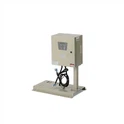
Can a water pump inverter be used with a submersible water pump?
As a supplier of water pump inverters, I often receive inquiries from customers about the compatibility of water pump inverters with submersible water pumps. This is a crucial question, especially for those looking to optimize the performance and efficiency of their water pumping systems. In this blog, I'll delve into the details of whether a water pump inverter can be used with a submersible water pump, the benefits, considerations, and practical applications.
Understanding Water Pump Inverters and Submersible Water Pumps
Before we discuss their compatibility, let's first understand what water pump inverters and submersible water pumps are.
A water pump inverter, also known as a variable frequency drive (VFD), is a device that controls the speed of an electric motor by adjusting the frequency and voltage of the power supplied to it. By varying the motor speed, the inverter can regulate the flow rate and pressure of the water pump, providing more precise control and energy savings.
On the other hand, a submersible water pump is designed to be submerged in water. It is commonly used in applications such as well water extraction, sewage pumping, and irrigation. Submersible pumps are known for their efficiency and reliability, as they are directly in contact with the water source, reducing the risk of cavitation and improving the overall pumping performance.
Compatibility of Water Pump Inverters with Submersible Water Pumps
The short answer is yes, a water pump inverter can be used with a submersible water pump. In fact, using an inverter with a submersible pump offers several advantages:
Energy Efficiency
One of the primary benefits of using a water pump inverter with a submersible pump is energy savings. Traditional submersible pumps often operate at a fixed speed, which means they consume the same amount of energy regardless of the actual water demand. With an inverter, the pump speed can be adjusted according to the required flow rate and pressure, resulting in significant energy savings. For example, during periods of low water demand, the inverter can reduce the pump speed, consuming less electricity.


Extended Pump Lifespan
By controlling the pump speed, a water pump inverter can reduce the mechanical stress on the submersible pump. This helps to extend the lifespan of the pump and its components, reducing maintenance costs and downtime. Additionally, the inverter can protect the pump from overloading and overheating, further enhancing its reliability.
Precise Control
Water pump inverters provide precise control over the pump's flow rate and pressure. This is particularly useful in applications where a constant water pressure is required, such as in residential water supply systems or industrial processes. The inverter can adjust the pump speed in real-time to maintain the desired pressure, ensuring a consistent water supply.
Soft Start and Stop
Inverters offer a soft start and stop function, which gradually ramps up or down the pump speed. This reduces the electrical and mechanical stress on the pump and the power supply system, preventing sudden voltage spikes and water hammer effects. Soft start and stop also improve the overall stability and safety of the pumping system.
Considerations When Using a Water Pump Inverter with a Submersible Pump
While using a water pump inverter with a submersible pump offers many benefits, there are also some considerations to keep in mind:
Pump Motor Compatibility
Not all submersible pump motors are compatible with water pump inverters. It is important to ensure that the pump motor is designed to work with a VFD. Some older or low-quality motors may not be suitable for inverter operation, as they may not be able to handle the variable frequency and voltage output of the inverter.
Inverter Capacity
The capacity of the water pump inverter should be carefully selected based on the power rating of the submersible pump. Using an inverter with a lower capacity than the pump's power rating can lead to overheating and damage to the inverter. On the other hand, using an inverter with a much higher capacity than necessary can be costly and inefficient.
Environmental Conditions
Submersible pumps are often installed in harsh environments, such as wells or sewage systems. The water pump inverter should be able to withstand the environmental conditions, including temperature, humidity, and dust. It is recommended to choose an inverter with a high degree of protection, such as an IP-rated enclosure.
Control and Monitoring
Proper control and monitoring of the water pump inverter are essential for optimal performance. The inverter should be equipped with features such as pressure sensors, flow meters, and remote monitoring capabilities. This allows for real-time adjustment of the pump speed and provides valuable information about the pump's operation.
Practical Applications
The combination of a water pump inverter and a submersible pump is widely used in various applications:
Residential Water Supply
In residential water supply systems, a water pump inverter can be used to maintain a constant water pressure. This ensures a consistent water flow in all faucets and appliances, improving the comfort and convenience of the residents. The inverter can also adjust the pump speed based on the water demand, reducing energy consumption.
Irrigation Systems
Irrigation systems require precise control of the water flow rate and pressure. A water pump inverter can be used to adjust the pump speed according to the irrigation requirements, ensuring efficient water use and preventing overwatering. This is particularly important in areas with limited water resources.
Industrial Processes
In industrial processes, such as manufacturing and chemical processing, a constant water supply is often required. A water pump inverter can be used to maintain the desired water pressure and flow rate, ensuring the smooth operation of the production process. The inverter can also provide protection against pump failures and system malfunctions.
Our Product Offerings
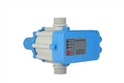
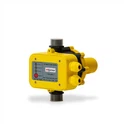
As a leading supplier of water pump inverters, we offer a wide range of products suitable for use with submersible water pumps. Our Variable Frequency Pump Converter for Home Use is designed for residential applications, providing precise control and energy savings. Our Pump Constant Pressure Variable Speed Drive Inverter is ideal for commercial and industrial applications, offering high performance and reliability. We also offer 380V Water Pump Inverter for applications that require a higher voltage.
Conclusion
In conclusion, a water pump inverter can be effectively used with a submersible water pump, offering numerous benefits such as energy efficiency, extended pump lifespan, precise control, and soft start/stop. However, it is important to consider factors such as pump motor compatibility, inverter capacity, environmental conditions, and control and monitoring when using these two components together. If you are interested in optimizing your water pumping system with a water pump inverter, feel free to contact us for more information and to discuss your specific requirements. We are committed to providing high-quality products and professional solutions to meet your needs.
References
- "Variable Frequency Drives for Pumps: A Guide to Energy Efficiency and Control." Hydraulic Institute.
- "Submersible Pumps: Design, Application, and Maintenance." McGraw-Hill Professional.
- "Energy Efficiency in Water Pumping Systems." International Energy Agency.