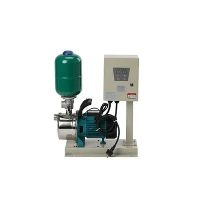
As a supplier of Knapsack Water Pump Inverters, I'm often asked if our products are suitable for use in tropical climates. It's a valid question, considering the unique environmental conditions in tropical regions. In this blog post, I'll delve into the factors that determine the usability of a Knapsack Water Pump Inverter in tropical climates and provide insights based on our experience and expertise.
Understanding the Tropical Climate
Tropical climates are characterized by high temperatures, high humidity, and often, heavy rainfall. These conditions can pose challenges to electrical equipment, including water pump inverters. High temperatures can cause overheating, which may lead to reduced efficiency, shortened lifespan, or even premature failure of the inverter. Humidity can also be a problem, as it can lead to corrosion of electrical components and the growth of mold and mildew.
Design and Features of Knapsack Water Pump Inverters
At our company, we design our Knapsack Water Pump Inverters to withstand a wide range of environmental conditions, including the harsh conditions found in tropical climates. Our inverters are built with high-quality materials and advanced technology to ensure reliability and durability.
Heat Resistance
One of the key features of our Knapsack Water Pump Inverters is their excellent heat resistance. We use high-temperature-resistant components and advanced cooling systems to dissipate heat effectively. This helps to prevent overheating and ensures that the inverter can operate efficiently even in high-temperature environments.
Moisture Protection
To protect against humidity and moisture, our inverters are designed with a sealed enclosure that prevents water and dust from entering. The enclosure is made of a durable and corrosion-resistant material, which helps to extend the lifespan of the inverter. Additionally, we use moisture-resistant coatings on the electrical components to further protect against corrosion.


Dust and Debris Resistance
In tropical regions, dust and debris can be a common problem. Our Knapsack Water Pump Inverters are designed with a robust filter system that prevents dust and debris from entering the inverter. The filter is easy to clean and replace, ensuring that the inverter remains protected against dust and debris.
Benefits of Using a Knapsack Water Pump Inverter in Tropical Climates
Despite the challenges posed by the tropical climate, there are several benefits to using a Knapsack Water Pump Inverter in these regions.
Energy Efficiency
Our Knapsack Water Pump Inverters are designed to be highly energy-efficient, which is especially important in tropical regions where electricity costs can be high. By using an inverter, you can reduce the energy consumption of your water pump, which can lead to significant cost savings over time.
Improved Performance
The advanced technology used in our Knapsack Water Pump Inverters ensures that the water pump operates at its optimal performance. This means that you can achieve higher flow rates and pressures, which is essential for many applications in tropical regions, such as irrigation and water supply.
Easy to Use and Maintain
Our Knapsack Water Pump Inverters are designed to be easy to use and maintain. They come with a user-friendly interface that allows you to easily adjust the settings of the inverter. Additionally, the inverters are designed with a modular construction, which makes them easy to repair and replace components if necessary.
Case Studies
To illustrate the effectiveness of our Knapsack Water Pump Inverters in tropical climates, let's take a look at some case studies.
Case Study 1: Irrigation in a Tropical Region
A farmer in a tropical region was using a traditional water pump to irrigate his crops. The pump was consuming a large amount of energy and was not able to provide the required flow rate and pressure. After installing our Knapsack Water Pump Inverter, the farmer noticed a significant improvement in the performance of the water pump. The inverter was able to adjust the speed of the pump according to the water demand, which resulted in a reduction in energy consumption. Additionally, the higher flow rate and pressure provided by the inverter helped to improve the irrigation efficiency, resulting in better crop yields.
Case Study 2: Water Supply in a Remote Village
A remote village in a tropical region was facing a water supply problem. The existing water pump was not able to provide enough water to meet the needs of the villagers. After installing our Knapsack Water Pump Inverter, the water supply situation improved significantly. The inverter was able to increase the performance of the water pump, which resulted in a higher flow rate and pressure. This allowed the villagers to have access to a reliable supply of clean water.
Conclusion
In conclusion, our Knapsack Water Pump Inverters are well-suited for use in tropical climates. With their excellent heat resistance, moisture protection, and dust and debris resistance, our inverters can operate reliably and efficiently in the harsh environmental conditions found in these regions. Additionally, the energy efficiency, improved performance, and ease of use and maintenance of our inverters make them a great choice for a wide range of applications in tropical regions, such as irrigation and water supply.
If you're interested in learning more about our Knapsack Water Pump Inverters, or if you have any questions or need further assistance, please don't hesitate to contact us. We'd be happy to discuss your specific requirements and provide you with a customized solution.
We also offer a range of other water pump inverters, including Wall-mounted Water Pump Inverters and High-Power Water Pump Inverters. These inverters are designed to meet the specific needs of different applications and environments.
Contact us today to start a conversation about how our water pump inverters can help you meet your water pumping needs in tropical climates.
References
- Manufacturer's specifications for Knapsack Water Pump Inverters
- Industry research on the impact of tropical climates on electrical equipment
- Case studies of water pump inverter installations in tropical regions