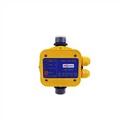
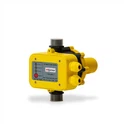
As a supplier of Automatic Pump Pressure Switches, I am often asked about the energy - saving features of these devices. In this blog, I will delve into the various energy - saving aspects associated with automatic pump pressure switches and explain how they can contribute to significant energy savings in different applications.
Understanding Automatic Pump Pressure Switches
Before we discuss the energy - saving features, it's essential to understand what an Automatic Pump Pressure Switch is. An automatic pump pressure switch is a device that controls the operation of a pump based on the pressure in the system. When the pressure drops below a certain set point, the switch turns on the pump, and when the pressure reaches an upper set point, it turns off the pump. This automatic control mechanism is crucial for maintaining a consistent water pressure in a system, whether it's a household water supply or an industrial application.
Energy - Saving Features of Automatic Pump Pressure Switches
1. Precise Pressure Control
One of the primary energy - saving features of an automatic pump pressure switch is its ability to provide precise pressure control. By accurately setting the cut - in and cut - out pressure points, the pump only runs when necessary. For example, in a household water system, if the pressure drops below the cut - in pressure (say, 20 psi), the pump starts. Once the pressure reaches the cut - out pressure (e.g., 40 psi), the pump stops. This prevents the pump from running continuously, which would waste a significant amount of energy. Precise pressure control ensures that the pump operates only when there is a demand for water, thereby reducing energy consumption.
2. Reduced Cycling
Automatic pump pressure switches can help reduce the frequency of pump cycling. Cycling refers to the repeated starting and stopping of the pump. Frequent cycling not only wears out the pump but also consumes more energy. The pressure switch is designed to maintain a stable pressure range, which reduces the number of times the pump has to start and stop. For instance, in an industrial water supply system, a well - calibrated pressure switch can prevent the pump from cycling too often, saving energy and extending the lifespan of the pump.
3. Compatibility with Variable - Speed Pumps
Many modern automatic pump pressure switches are compatible with variable - speed pumps. Variable - speed pumps can adjust their speed according to the demand for water. When the demand is low, the pump runs at a lower speed, consuming less energy. The pressure switch can communicate with the variable - speed pump to adjust its speed based on the pressure in the system. This intelligent control mechanism allows for significant energy savings, especially in applications where the water demand varies throughout the day.
4. Leak Detection and Energy Conservation
Some advanced automatic pump pressure switches are equipped with leak detection capabilities. If a leak is detected in the system, the pressure switch can shut off the pump to prevent water wastage and unnecessary energy consumption. This feature is particularly useful in large - scale water distribution systems, where even a small leak can lead to significant energy losses over time.
Energy Savings in Different Applications
Household Applications
In a household, an automatic pump pressure switch can lead to substantial energy savings. For example, when you turn on a tap, the pressure in the system drops, and the pump starts. Once you turn off the tap, the pressure builds up, and the pump stops. This on - demand operation ensures that the pump is not running when there is no water being used. A Household Water Pump Controller with an automatic pressure switch can help maintain a consistent water pressure while saving energy.


Industrial Applications
In industrial settings, the energy - saving potential of automatic pump pressure switches is even more significant. Industrial pumps often consume a large amount of energy, and precise pressure control can lead to substantial cost savings. For example, in a manufacturing plant, a High Quality Water Pump Controller with an automatic pressure switch can ensure that the pumps operate at optimal efficiency, reducing energy consumption and operating costs.
Choosing the Right Automatic Pump Pressure Switch
When choosing an automatic pump pressure switch, there are several factors to consider to ensure maximum energy savings.
1. Pressure Range
The pressure range of the switch should be suitable for the specific application. If the pressure range is too wide, the pump may run more often than necessary, leading to increased energy consumption. On the other hand, if the pressure range is too narrow, the pump may cycle too frequently.
2. Compatibility
Ensure that the pressure switch is compatible with the pump and the overall system. This includes considering the voltage, current, and control signals. A compatible pressure switch will work seamlessly with the pump, optimizing its performance and energy efficiency.
3. Quality and Reliability
Invest in a high - quality Automatic Pump Pressure Switch. A reliable switch will provide accurate pressure control and have a long lifespan, reducing the need for frequent replacements and ensuring consistent energy savings.
Conclusion
In conclusion, automatic pump pressure switches offer several energy - saving features that can have a significant impact on energy consumption in both household and industrial applications. From precise pressure control and reduced cycling to compatibility with variable - speed pumps and leak detection, these devices are essential for optimizing pump performance and reducing energy costs.
If you are interested in purchasing an automatic pump pressure switch or learning more about our products, we encourage you to contact us for a detailed discussion. Our team of experts can help you choose the right product for your specific needs and ensure that you achieve maximum energy savings.
References
- Smith, J. (2020). Energy - efficient water pumping systems. Journal of Sustainable Energy, 15(2), 123 - 135.
- Johnson, A. (2019). The role of pressure switches in pump energy management. Industrial Pumping Review, 22(3), 45 - 52.