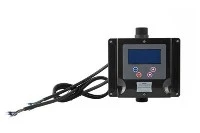
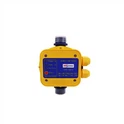
Hey there! As a supplier of Automatic Pump Pressure Switches, I've seen firsthand the importance of choosing the right one for your needs. There are a bunch of factors to consider when making this decision, and I'm here to break them down for you.
Compatibility with Your Pump
First off, you've gotta make sure the pressure switch is compatible with your pump. This means looking at things like the pump's horsepower, flow rate, and voltage requirements. If the switch isn't a good match, it might not work properly, or it could even damage your pump. For example, if your pump has a high horsepower, you'll need a switch that can handle that kind of load.
Pressure Settings
The pressure settings of the switch are super important. You need to set the cut - in and cut - out pressures correctly. The cut - in pressure is the point at which the pump starts, and the cut - out pressure is when it stops. These settings depend on your specific application. If you're using the pump for a small household water system, the pressure requirements will be different compared to an industrial application. You want to make sure the switch allows you to adjust these settings easily. Some switches, like the LCD Pump Pressure Switch, offer easy - to - read LCD displays that make it a breeze to set and monitor the pressure.
Durability and Build Quality
You don't want to buy a pressure switch that's going to break down after a short period. Look for switches made from high - quality materials. Stainless steel or brass components are great because they're resistant to corrosion, especially if the switch will be exposed to water or other harsh environments. A well - built switch will last longer and save you money in the long run.


Response Time
The response time of the switch is another crucial factor. When the pressure in the system changes, the switch needs to react quickly. A slow - responding switch can lead to inconsistent water pressure or even damage to the pump. For applications where precise pressure control is needed, a switch with a fast response time is essential.
Voltage Range
Different pumps operate at different voltages. You need to choose a pressure switch that can handle the voltage of your pump. Some switches, like the Wide Voltage Water Pump Controller, are designed to work with a wide range of voltages. This can be really handy if you're using a pump that might have voltage fluctuations or if you want a switch that can be used with different pumps.
Protection Features
A good pressure switch should have some protection features. For example, it should have overload protection to prevent the pump from overheating. It might also have dry - run protection, which shuts off the pump if there's no water in the system. This can save your pump from damage and extend its lifespan.
Ease of Installation
Let's face it, no one wants to spend hours trying to install a pressure switch. Look for a switch that's easy to install. Some switches come with clear instructions and all the necessary mounting hardware. This can make the installation process a lot less stressful.
Cost
Of course, cost is always a factor. You want to get a good quality switch at a reasonable price. But don't just go for the cheapest option. Sometimes, a more expensive switch is worth the investment because it offers better features, durability, and performance. You need to find a balance between cost and quality.
Brand Reputation
The reputation of the brand matters. Do some research on the brand of the pressure switch you're considering. Read reviews from other customers. A brand with a good reputation is more likely to provide a reliable product and good customer service.
Specific Application Requirements
Think about the specific application for the pump. If it's for a residential water supply, you might need a different type of switch compared to if it's for an agricultural or industrial use. For example, in an industrial setting, you might need a switch that can handle higher pressures and more frequent cycling.
Monitoring and Control Options
Some pressure switches offer additional monitoring and control options. For instance, they might be able to connect to a smart home system, allowing you to monitor and control the pump from your phone. This can be really convenient, especially if you're not always at home. The 24V DC Water Pump Switch might have some of these advanced features.
In conclusion, choosing the right automatic pump pressure switch involves considering a variety of factors. From compatibility and pressure settings to durability and cost, each aspect plays an important role in making the best decision for your pump system. If you're still unsure about which switch is right for you, don't hesitate to reach out. We're here to help you make the right choice. Whether you're a homeowner looking to upgrade your water system or an industrial user in need of a reliable pressure switch, we've got the expertise and products to meet your needs. Contact us to start the procurement discussion and find the perfect automatic pump pressure switch for your application.
References
- General knowledge and experience in the field of automatic pump pressure switches.
- Product specifications and research on various pressure switch models.