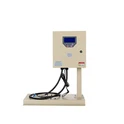
Hey there! As a pump controller supplier, I often get asked about the temperature range for a pump controller to operate normally. It's a crucial question because running a pump controller outside its recommended temperature range can lead to all sorts of problems, from reduced performance to complete failure. So, let's dive into this topic and find out what you need to know.


First off, it's important to understand that different pump controllers have different temperature requirements. This is mainly due to the components used in their construction and the specific functions they perform. For example, some pump controllers may have more sensitive electronic parts that are more affected by extreme temperatures, while others are built to withstand harsher conditions.
Most standard pump controllers are designed to operate in a temperature range of around -20°C to 60°C (-4°F to 140°F). This range is considered the "sweet spot" for the majority of pump controllers on the market. In this temperature range, the controller can function optimally, ensuring accurate control of the pump and a long service life.
If the temperature drops below -20°C, the electronic components in the pump controller can start to act up. The lubricating oils inside any moving parts may thicken, causing increased friction and wear. Batteries, if used, can lose their charge more quickly, leading to unreliable operation. Additionally, the solder joints on the circuit board can become brittle, increasing the risk of a break in the electrical connection.
On the other hand, when the temperature rises above 60°C, the heat can cause the components to overheat. Electronic components have a threshold above which they can start to degrade or even fail. For example, transistors can become less efficient, and capacitors can lose their ability to store and release electrical energy properly. This can lead to inaccurate readings and erratic behavior of the pump controller.
However, there are some specialized pump controllers that can operate in more extreme temperature conditions. For instance, if you're dealing with industrial applications where the environment can be extremely hot or cold, you might need a pump controller that can handle temperatures outside the standard range. Some industrial-grade pump controllers can operate in temperatures as low as -40°C (-40°F) or as high as 85°C (185°F).
Let's take a look at some of the products we offer as a pump controller supplier. The G1.25 Water Pump Controller is a reliable option for most residential and light commercial applications. It's designed to operate within the standard temperature range of -20°C to 60°C, providing stable and accurate control of your water pump.
If you're in a region that uses European plugs and need a pump controller that's easy to integrate into your existing setup, the Clean Pump Controller with European Plug is a great choice. It also operates within the typical temperature range, ensuring efficient operation even in normal environmental conditions.
For more specialized applications, like in vehicles or systems that run on 24V DC power, the 24V DC Water Pump Switch is a top - notch option. While it's more compact, it's still engineered to work effectively within the standard temperature boundaries, giving you peace of mind when it comes to pump control.
To ensure your pump controller operates within the correct temperature range, there are a few things you can do. First, install the controller in a well - ventilated area. This helps to dissipate heat, especially in hot environments. Avoid placing it near sources of heat, such as furnaces or direct sunlight.
In cold environments, you might need to insulate the controller or use a heating element to keep it warm. Some pump controllers come with built - in temperature compensation features, which adjust the operation of the controller based on the ambient temperature.
It's also a good idea to regularly monitor the temperature of the environment where the pump controller is installed. You can use a simple thermometer to keep track of the temperature and take action if it starts to approach the limits of the controller's operating range.
In conclusion, understanding the temperature range for your pump controller is essential for its proper operation and longevity. Whether you're using a standard pump controller for your home water system or a specialized one for industrial use, make sure it's operating within its recommended temperature range.
If you're in the market for a pump controller, or if you have any questions about the temperature requirements or any other aspect of our products, feel free to reach out. We're here to help you find the right pump controller for your needs and ensure it operates smoothly for years to come. Let's start a conversation about your pump control requirements and see how we can assist you in making the best choice.
References:
- Various pump controller product manuals
- Industry standards and guidelines for electronic component operation in different temperature conditions