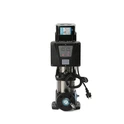
As a supplier of water pump pressure controllers, I've had numerous discussions with customers about various aspects of these devices. One question that frequently comes up is, "What is the grounding requirement for a water pump pressure controller?" In this blog post, I'll delve into this topic, explaining why grounding is crucial, the specific grounding requirements, and how it impacts the performance and safety of water pump pressure controllers.
Why Grounding is Crucial for Water Pump Pressure Controllers
Grounding serves as a fundamental safety measure in electrical systems, and water pump pressure controllers are no exception. These controllers are integral parts of water pumping systems, which often operate in environments where water is present. Water is a good conductor of electricity, and any electrical leakage can pose serious risks, including electric shock and potential fire hazards.
When a water pump pressure controller is properly grounded, it provides a low - resistance path for electrical current to flow safely into the ground in case of a fault. This helps to prevent the build - up of dangerous electrical voltages on the equipment's metal parts. For example, if there is a short - circuit inside the controller, the grounding wire will carry the excess current away, protecting users from electric shock and preventing damage to the controller and other components of the water pumping system.
In addition to safety, grounding also helps to stabilize the electrical performance of the water pump pressure controller. It can reduce electrical noise and interference, which can otherwise affect the accuracy of the controller's pressure sensing and control functions. A stable electrical environment ensures that the controller can operate reliably and accurately, maintaining the desired water pressure in the system.
Specific Grounding Requirements
1. Grounding Wire Specifications
The grounding wire used for a water pump pressure controller should meet certain specifications. It should have an appropriate gauge (thickness) to handle the potential fault current. Generally, a wire with a larger cross - sectional area can carry more current safely. For most residential and small - scale commercial water pump pressure controllers, a grounding wire with a gauge of at least 14 AWG (American Wire Gauge) is recommended. However, for larger industrial controllers or systems with higher fault current potential, a thicker wire, such as 10 AWG or 8 AWG, may be required.
The grounding wire should also be made of a good conductor, such as copper. Copper has low electrical resistance, which allows the fault current to flow easily to the ground. The wire should be free from any damage, such as cuts or breaks, as this can increase its resistance and reduce its effectiveness in carrying the fault current.
2. Grounding Connection
The grounding wire must be securely connected to both the water pump pressure controller and the grounding electrode. On the controller side, there is usually a dedicated grounding terminal. The grounding wire should be tightly attached to this terminal using appropriate connectors, such as screws or clamps. Loose connections can increase the resistance of the grounding path, which may prevent the proper flow of fault current.
The other end of the grounding wire should be connected to a suitable grounding electrode. A common type of grounding electrode is a ground rod, which is typically made of copper - clad steel and is driven into the ground to a sufficient depth (usually at least 8 feet). The grounding wire should be connected to the ground rod using a proper grounding clamp. The connection should be tight and corrosion - resistant to ensure a reliable electrical connection.
3. Grounding in Different Environments
The grounding requirements may vary depending on the environment in which the water pump pressure controller is installed. In a residential setting, the grounding system is often connected to the main electrical service panel's grounding system. This provides a common grounding point for all electrical devices in the house, including the water pump pressure controller.
In industrial or commercial settings, more complex grounding systems may be required. For example, in a factory where there are multiple water pumping systems and other electrical equipment, a dedicated grounding grid may be installed. This grid consists of multiple interconnected ground rods and conductors, which provide a low - resistance path for fault current over a large area.
Impact of Grounding on Product Performance
A properly grounded water pump pressure controller can offer several performance benefits. Firstly, it can improve the accuracy of pressure sensing. Electrical noise and interference can cause fluctuations in the pressure readings, leading to inaccurate control of the water pump. By grounding the controller, the electrical noise is reduced, allowing the pressure sensor to operate more accurately. This results in more stable water pressure in the system, which is crucial for applications such as domestic water supply, irrigation, and industrial processes.
Secondly, grounding can enhance the reliability of the controller. Electrical faults, such as short - circuits, can damage the internal components of the controller if not properly managed. A good grounding system protects the controller from these faults, reducing the risk of component failure and extending the controller's lifespan.


Our Product Range and Grounding Considerations
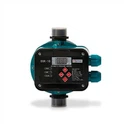
We offer a wide range of water pump pressure controllers, each designed with grounding requirements in mind. For example, our LCD Pump Pressure Switch is equipped with a dedicated grounding terminal, making it easy to connect the grounding wire. The controller's housing is made of high - quality materials that provide good electrical insulation, and the grounding system is designed to ensure reliable operation in various environments.
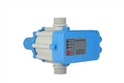
Our 110V Water Pump Electronic Pressure Switch is another popular product. It is designed for use in low - voltage applications and has a compact design. The grounding requirements for this switch are carefully specified in the product manual, and we provide clear instructions on how to properly ground the device to ensure its safety and performance.
Our Clean Pump Controller with European Plug is suitable for European markets. It complies with European electrical safety standards, which include strict grounding requirements. The plug is designed with a grounding pin, and the internal wiring is configured to ensure proper grounding when connected to a grounded electrical outlet.
Contact Us for Purchasing and Consultation
If you are interested in our water pump pressure controllers or have any questions about grounding requirements, we invite you to contact us. Our team of experts is ready to provide you with detailed information about our products, help you select the right controller for your specific needs, and offer guidance on proper grounding installation. Whether you are a homeowner looking for a reliable water pump pressure controller or an industrial engineer planning a large - scale water pumping system, we can assist you.
References
- National Electrical Code (NEC) - A comprehensive set of electrical safety standards in the United States.
- International Electrotechnical Commission (IEC) Standards - Global standards for electrical equipment, including grounding requirements.
- Manufacturer's product manuals for water pump pressure controllers.