In the world of water pumping systems, the pressure gauge is a critical component that provides valuable insights into the system's operation. As a trusted supplier of Water Pump Pressure Gauges, I've witnessed firsthand the impact that various factors can have on gauge readings. One such factor that often goes unnoticed but can significantly affect the accuracy of these readings is the presence of air in the system. In this blog, we'll explore the effects of air in the system on a water pump pressure gauge reading and why it's essential to address this issue for optimal system performance.
Understanding the Basics of a Water Pump Pressure Gauge
Before diving into the impact of air in the system, let's first understand how a water pump pressure gauge works. A pressure gauge is designed to measure the pressure of the fluid (in this case, water) within the pumping system. It typically consists of a Bourdon tube, a mechanical element that deforms in response to pressure changes. As the pressure increases, the Bourdon tube straightens, causing a needle to move along a calibrated scale, indicating the pressure reading.
Accurate pressure readings are crucial for several reasons. They help ensure that the water pump is operating within its designed pressure range, preventing over-pressurization or under-pressurization, which can lead to equipment damage, reduced efficiency, and even system failure. Additionally, pressure readings are used to monitor the performance of the system and detect any potential issues early on.
How Air Enters the Water Pump System
Air can enter a water pump system through various means. One common way is through leaks in the suction line. If there are any cracks, loose connections, or faulty seals in the suction line, air can be drawn into the system as the pump operates. This is especially true if the suction line is located above the water level, creating a negative pressure that can pull air in.
Another way air can enter the system is during the initial priming process. Priming is the process of filling the pump and suction line with water to create a vacuum and allow the pump to draw water. If the priming process is not done correctly, air can be trapped in the system, leading to inaccurate pressure readings.


In some cases, air can also be introduced into the water supply itself. For example, if the water source is a well or a reservoir with a high level of dissolved air, the air can be released as the water is pumped, causing air bubbles to form in the system.
The Effects of Air in the System on Pressure Gauge Readings
The presence of air in the system can have several effects on the water pump pressure gauge reading. One of the most noticeable effects is fluctuations in the pressure reading. Air is compressible, unlike water, which is essentially incompressible. When air is present in the system, it can act as a cushion, absorbing some of the pressure changes and causing the pressure gauge reading to fluctuate. These fluctuations can make it difficult to accurately monitor the system's performance and can lead to false alarms or incorrect diagnoses of system issues.
Another effect of air in the system is a decrease in the overall pressure reading. As air is drawn into the system, it displaces some of the water, reducing the volume of water being pumped. This, in turn, reduces the pressure in the system, causing the pressure gauge reading to be lower than it should be. A lower pressure reading can indicate a problem with the pump or the system, but it can also be a result of air in the system.
In addition to fluctuations and a decrease in pressure reading, air in the system can also cause the pressure gauge to give inaccurate readings over time. The presence of air can cause the Bourdon tube in the pressure gauge to corrode or become damaged, leading to inaccurate readings. This can be particularly problematic in systems where accurate pressure readings are critical for safe and efficient operation.
Detecting and Removing Air from the Water Pump System
Detecting the presence of air in the water pump system can be challenging, but there are several signs to look out for. Fluctuations in the pressure gauge reading, as mentioned earlier, are a common indicator of air in the system. Other signs include unusual noises coming from the pump, such as cavitation or aeration, and reduced flow or pressure in the system.
To remove air from the water pump system, the first step is to identify and fix any leaks in the suction line. This may involve tightening loose connections, replacing faulty seals, or repairing cracks in the pipe. Once the leaks have been fixed, the system should be primed again to ensure that all air has been removed.
In some cases, it may be necessary to install air release valves or vents in the system to allow air to escape. These valves are typically installed at high points in the system, where air is most likely to accumulate. They open automatically when the pressure in the system drops, allowing air to escape and preventing it from being trapped in the system.
The Importance of Addressing Air in the System
Addressing the issue of air in the water pump system is essential for several reasons. First and foremost, it ensures the accuracy of the pressure gauge reading, which is crucial for monitoring the system's performance and detecting any potential issues early on. By maintaining accurate pressure readings, you can prevent over-pressurization or under-pressurization, which can lead to equipment damage, reduced efficiency, and even system failure.
In addition to ensuring accurate pressure readings, addressing air in the system can also improve the overall efficiency of the water pump. When air is present in the system, it can cause the pump to work harder to move the water, leading to increased energy consumption and reduced efficiency. By removing air from the system, you can reduce the workload on the pump and improve its efficiency, saving energy and reducing operating costs.
Finally, addressing air in the system can help extend the lifespan of the water pump and other components in the system. The presence of air can cause corrosion, erosion, and other forms of damage to the pump and pipes, leading to premature wear and failure. By removing air from the system, you can prevent this damage and ensure that the system operates reliably and efficiently for years to come.
Related Water Pump Accessories
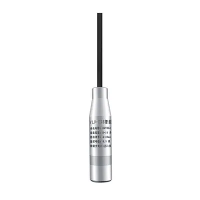
As a Water Pump Pressure Gauge supplier, we also offer a range of related accessories that can help improve the performance and reliability of your water pump system. One such accessory is the Liquid Level Sensor, which can be used to monitor the water level in a tank or reservoir. By providing accurate level readings, the liquid level sensor can help prevent the pump from running dry, which can cause damage to the pump and other components.
Another useful accessory is the Water Pump Float Switch, which is used to automatically turn the pump on and off based on the water level. This can help ensure that the pump operates only when needed, reducing energy consumption and extending the lifespan of the pump.
Finally, we also offer Temperature Transmitters, which can be used to monitor the temperature of the water or the pump itself. By providing accurate temperature readings, the temperature transmitter can help detect any potential issues, such as overheating, before they cause damage to the system.
Conclusion
In conclusion, the presence of air in the water pump system can have a significant impact on the pressure gauge reading, as well as the overall performance and reliability of the system. By understanding how air enters the system, the effects it can have, and how to detect and remove it, you can ensure that your water pump system operates efficiently and reliably.
As a Water Pump Pressure Gauge supplier, we're committed to providing our customers with high-quality products and expert advice to help them optimize the performance of their water pump systems. If you have any questions or would like to learn more about our products and services, please don't hesitate to contact us. We look forward to discussing your needs and helping you find the right solutions for your water pumping applications.
References
- "Water Pump Handbook" by Karassik, I. J., et al.
- "Pump Systems Matter: A Guide to Improving Pumping System Performance" by the U.S. Department of Energy.
- "Mechanical Engineering Handbook" by Myer Kutz.