Hey there! As a supplier of Knapsack Water Pump Inverters, I often get asked about the cooling methods of these nifty devices. So, I thought I'd take some time to break it down for you.
First off, let's understand why cooling is so important for a Knapsack Water Pump Inverter. These inverters are constantly working to convert electrical energy into the right form to power the water pump. During this process, they generate heat. If the heat isn't properly managed, it can cause the inverter to overheat, which can lead to reduced performance, shorter lifespan, and even damage to the device.
There are a few common cooling methods used in Knapsack Water Pump Inverters, and I'll go through each of them one by one.
Natural Convection Cooling
One of the simplest and most basic cooling methods is natural convection cooling. This method relies on the natural movement of air to carry away the heat generated by the inverter. The inverter is designed with fins or other heat - dissipating structures on its surface. These fins increase the surface area of the inverter, allowing more heat to be transferred to the surrounding air.
As the air near the hot inverter heats up, it becomes less dense and rises. Cooler air then moves in to take its place, creating a natural flow of air that helps to cool the inverter. This method is relatively low - cost and requires no additional power to operate. However, it has its limitations. It's not very effective in high - heat situations or in environments where there is limited air movement.
Forced Air Cooling
To overcome the limitations of natural convection cooling, many Knapsack Water Pump Inverters use forced air cooling. This method involves using a fan to blow air over the heat - dissipating components of the inverter. The fan creates a more powerful and controlled airflow, which can quickly remove heat from the inverter.
Forced air cooling is much more efficient than natural convection cooling, especially in situations where the inverter is generating a lot of heat. It can maintain a lower operating temperature, which helps to improve the performance and reliability of the inverter. However, the fan does consume some power, and it can also introduce some noise into the system.
Liquid Cooling
In some high - performance Knapsack Water Pump Inverters, liquid cooling is used. This method involves circulating a liquid, usually water or a special coolant, through a series of channels or tubes within the inverter. The liquid absorbs the heat from the inverter components and then transfers it to a radiator or heat exchanger, where the heat is dissipated into the surrounding air.
Liquid cooling is the most efficient cooling method. It can handle very high heat loads and maintain a very stable operating temperature. However, it's also the most complex and expensive cooling method. It requires additional components such as pumps, radiators, and coolant reservoirs, and it also needs to be properly maintained to prevent leaks and other issues.
Now, let's talk a bit about how these cooling methods relate to the different types of Knapsack Water Pump Inverters we offer.
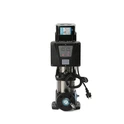
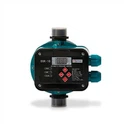
We have the Pump LCD Display Variable Speed Drive. This inverter is designed with advanced features and often operates at a relatively high power level. For this type of inverter, forced air cooling is usually the preferred method. The fan can ensure that the inverter stays cool even when it's running at full capacity, allowing it to provide a stable and reliable power supply to the water pump.
Our High - Power Water Pump Inverter is built to handle heavy - duty applications. Given its high power output, it generates a significant amount of heat. In some cases, we may even recommend liquid cooling for this type of inverter. The liquid cooling system can effectively manage the high heat loads, ensuring that the inverter operates at its best performance.
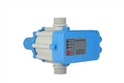
The Wall - mounted Water Pump Inverter is often used in more standard household or small - scale applications. For this inverter, natural convection cooling might be sufficient in many cases. It's a simple and cost - effective solution that can keep the inverter cool under normal operating conditions.
When choosing a Knapsack Water Pump Inverter, it's important to consider the cooling method based on your specific needs. If you're using the inverter in a hot environment or for high - power applications, a more advanced cooling method like forced air or liquid cooling might be necessary. On the other hand, if you're using it for light - duty tasks in a normal environment, natural convection cooling could be a good choice.
As a supplier, we're always here to help you make the right decision. We can provide you with detailed information about the cooling methods of our different inverters and help you select the one that best suits your requirements. Whether you're a homeowner looking to upgrade your water pump system or a contractor working on a large - scale project, we've got the right Knapsack Water Pump Inverter for you.


If you're interested in learning more about our Knapsack Water Pump Inverters or want to discuss your specific needs, don't hesitate to reach out. We're eager to have a chat with you and work together to find the perfect solution for your water pumping needs.
References
- "Thermal Management in Power Electronics", IEEE Transactions on Power Electronics
- "Handbook of Electronic Cooling Technology", McGraw - Hill