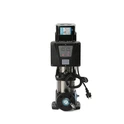
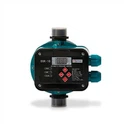
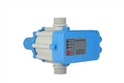
Water pump pressure tanks play a crucial role in maintaining consistent water pressure in various water systems, from residential homes to commercial and industrial facilities. As a supplier of high - quality Water Pump Pressure Tank, I have in - depth knowledge of the different types of these tanks available in the market. In this blog, I will explore these various types, their features, and their applications.
Diaphragm Pressure Tanks
Diaphragm pressure tanks are one of the most common types of water pump pressure tanks. These tanks are equipped with a flexible diaphragm that separates the water and the air in the tank. The diaphragm acts as a barrier, preventing the water from coming into direct contact with the air.
The design of diaphragm pressure tanks offers several advantages. Firstly, it helps to prevent waterlogging, which occurs when water fills the air space in the tank, reducing its efficiency. By keeping the water and air separate, the diaphragm ensures that the tank maintains its proper function over time. Secondly, diaphragm pressure tanks are relatively easy to install and maintain. They are available in a range of sizes, making them suitable for different water systems, whether it's a small household well or a larger commercial water supply.
In a residential setting, diaphragm pressure tanks are often used in conjunction with well pumps. When the well pump operates, it fills the tank with water, compressing the air on the other side of the diaphragm. As the water is drawn from the tank, the compressed air forces the water out at a consistent pressure. This ensures that homeowners have a steady supply of water for their daily needs, such as showering, washing dishes, and watering the garden.


Bladder Pressure Tanks
Bladder pressure tanks are similar to diaphragm pressure tanks, but instead of a diaphragm, they use a bladder to separate the water and the air. The bladder is a flexible, air - filled container that expands and contracts as water enters and leaves the tank.
One of the key benefits of bladder pressure tanks is their high durability. The bladder is designed to withstand repeated cycles of expansion and contraction, making it a long - lasting component of the water system. Additionally, bladder pressure tanks are less prone to problems associated with air - water mixing compared to other types of tanks.
These tanks are commonly used in commercial and industrial applications where a reliable and consistent water pressure is essential. For example, in a manufacturing plant, a bladder pressure tank can ensure that the water - based cooling systems operate smoothly. It can also be used in large - scale irrigation systems, where it helps to maintain the proper pressure for efficient water distribution.
Compression Pressure Tanks
Compression pressure tanks, also known as air - over - water tanks, are an older type of water pump pressure tank. In these tanks, the water and air are in direct contact with each other. When the pump fills the tank with water, the air above the water is compressed. As water is drawn from the tank, the compressed air forces the water out.
While compression pressure tanks have been around for a long time, they do have some limitations. One of the main issues is the tendency for the air and water to mix over time. This can lead to waterlogging, which reduces the tank's efficiency and can cause the pump to cycle more frequently. To address this problem, these tanks often require regular maintenance, such as adding air to the tank to replace the air that has been absorbed by the water.
Despite their limitations, compression pressure tanks are still used in some applications, especially in older water systems where the cost of upgrading to a more modern type of tank may be prohibitive. They are also sometimes used in small - scale applications where the water demand is relatively low and the frequency of maintenance can be managed.
Factors to Consider When Choosing a Water Pump Pressure Tank
When selecting a water pump pressure tank, several factors need to be taken into account. The first factor is the size of the tank. The size of the tank should be based on the water demand of the system. A larger tank can store more water, which means that the pump will cycle less frequently, reducing wear and tear on the pump and extending its lifespan.
Another important factor is the pressure rating of the tank. The pressure rating indicates the maximum pressure that the tank can safely withstand. It is essential to choose a tank with a pressure rating that is appropriate for the water system. If the pressure rating is too low, the tank may rupture under high pressure, posing a safety risk. On the other hand, if the pressure rating is too high, the tank may be more expensive than necessary.
The type of water being used in the system also matters. For example, if the water is corrosive, a tank made of a corrosion - resistant material, such as stainless steel, may be required. Additionally, the presence of sediment or other contaminants in the water can affect the performance of the tank. In such cases, it may be necessary to install a Liquid Level Sensor or a filtration system to protect the tank.
Accessories for Water Pump Pressure Tanks
There are several accessories that can enhance the performance of water pump pressure tanks. One such accessory is the Mechanical Switches. These switches are used to control the operation of the pump based on the water pressure in the tank. When the water pressure drops below a certain level, the switch activates the pump to refill the tank. When the pressure reaches the upper limit, the switch turns off the pump.
Another important accessory is the pressure gauge. A pressure gauge allows users to monitor the water pressure in the tank. This is useful for detecting any problems, such as a drop in pressure, which may indicate a leak or a malfunction in the system.
As a supplier of Water Pump Pressure Tank, I understand the importance of providing high - quality products and the right accessories to meet the diverse needs of our customers. Whether you are a homeowner looking to upgrade your well - water system or a commercial business in need of a reliable water pressure solution, we have the expertise and the products to help you.
If you are interested in learning more about our water pump pressure tanks or have any questions about which type of tank is best for your application, please feel free to reach out. Our team of experts is ready to assist you in making the right choice and can provide you with detailed information about our products and services. Contact us today to start a discussion about your water - pressure needs.
References
- "Water Supply Engineering" by B.C. Punmia, Ashok Kumar Jain, and Arun Kumar Jain
- "Handbook of Water and Wastewater Treatment Plant Operations" by William W. Benefield, John F. Judkins, and William L. Weand