


Hey there! As a supplier of Clean Water Pump Controllers, I'm super stoked to chat about the connection methods between a clean water pump controller and a pump. It's a topic that's not only crucial for getting the most out of your water system but also for ensuring everything runs smoothly. So, let's dive right in!
Understanding the Basics
First off, it's important to know what a clean water pump controller does. Simply put, it's a device that manages the operation of a water pump. It can control when the pump turns on and off, adjust the pressure, and even protect the pump from damage. There are different types of controllers out there, like the Electric Water Pump Controller and the Automatic Restart Pump Controller. Each has its own set of features and benefits, but they all serve the same basic purpose: to make your water pump work more efficiently.
Direct Connection
One of the most straightforward ways to connect a clean water pump controller to a pump is through a direct connection. This method involves wiring the controller directly to the pump's power supply. It's a simple and reliable way to get the controller up and running, and it's often the preferred method for smaller pumps.
To make a direct connection, you'll need to follow a few steps. First, turn off the power to the pump to avoid any electrical hazards. Then, locate the pump's power wires and the controller's wiring terminals. Connect the power wires from the pump to the appropriate terminals on the controller. Make sure the connections are secure and that there are no loose wires.
Once the connections are made, you can turn the power back on and test the controller. If everything is working correctly, the controller should be able to start and stop the pump as needed.
Pressure Switch Connection
Another common connection method is through a pressure switch. A pressure switch is a device that senses the pressure in the water system and sends a signal to the controller to turn the pump on or off. This method is often used in larger water systems where the pressure needs to be carefully regulated.
To connect a pressure switch to a clean water pump controller, you'll need to follow a similar process as with a direct connection. First, turn off the power to the pump. Then, locate the pressure switch and the controller's wiring terminals. Connect the wires from the pressure switch to the appropriate terminals on the controller.
Once the connections are made, you'll need to set the pressure switch to the desired pressure range. This will determine when the pump turns on and off. You can usually adjust the pressure settings using a screw or a dial on the pressure switch.
Wireless Connection
In recent years, wireless technology has become increasingly popular for connecting clean water pump controllers to pumps. Wireless connections offer several advantages, including convenience and flexibility. With a wireless connection, you can control the pump from a distance using a smartphone or a computer.
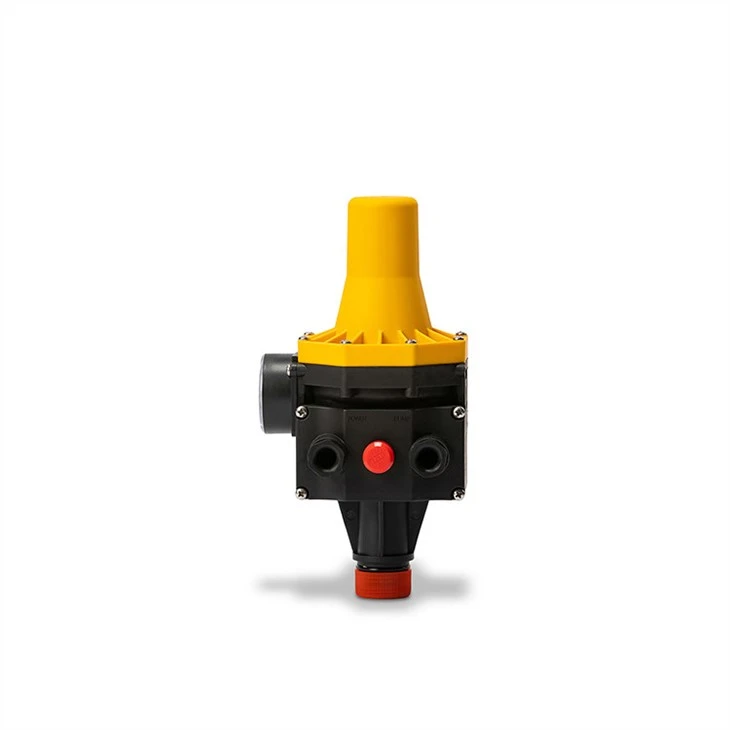

To set up a wireless connection, you'll need a wireless controller and a compatible pump. The wireless controller communicates with the pump using a wireless signal, such as Wi-Fi or Bluetooth. You'll need to follow the manufacturer's instructions to pair the controller with the pump and set up the connection.
Once the connection is established, you can use the wireless controller to monitor and control the pump's operation. You can turn the pump on and off, adjust the pressure, and even receive alerts if there are any issues with the pump.
Choosing the Right Connection Method
When it comes to choosing the right connection method for your clean water pump controller and pump, there are several factors to consider. These include the size and type of the pump, the complexity of the water system, and your personal preferences.
If you have a small pump and a simple water system, a direct connection may be the best option. It's easy to install and doesn't require any additional equipment. However, if you have a larger pump or a more complex water system, a pressure switch or a wireless connection may be more suitable.
Ultimately, the choice of connection method will depend on your specific needs and circumstances. It's always a good idea to consult with a professional if you're not sure which method is right for you.
Troubleshooting Connection Issues
Even with the best connection method, you may encounter some issues from time to time. Here are some common problems and solutions:
- No power: If the pump or the controller isn't getting power, check the power supply and make sure the circuit breaker hasn't tripped. You may also need to check the wiring connections to make sure they're secure.
- Incorrect pressure settings: If the pump isn't turning on or off at the right pressure, check the pressure switch settings. You may need to adjust the pressure range to match the requirements of your water system.
- Wireless connection problems: If you're having trouble with a wireless connection, make sure the wireless controller and the pump are within range of each other. You may also need to check the Wi-Fi or Bluetooth settings on your device.
If you're still having trouble after trying these solutions, it's best to contact a professional for further assistance.
Conclusion
Connecting a clean water pump controller to a pump is an important step in ensuring the efficient and reliable operation of your water system. There are several connection methods available, each with its own advantages and disadvantages. By choosing the right method for your specific needs and following the proper installation procedures, you can ensure that your pump and controller work together seamlessly.
If you're in the market for a clean water pump controller, be sure to check out our Electric Water Pump Controller, Automatic Restart Pump Controller, and 2.2KW Electric Water Pump Pressure Switch. We offer a wide range of high-quality products to meet your needs.
If you have any questions or would like to discuss your specific requirements, please don't hesitate to reach out. We're here to help you find the perfect solution for your water system.
References
- Manufacturer's manuals for clean water pump controllers and pumps
- Industry standards and guidelines for water system installation and maintenance


