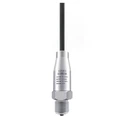
Selecting the right water pump pressure sensor for your system is a crucial decision that can significantly impact the efficiency, reliability, and performance of your water pumping setup. As a leading supplier of water pump pressure sensors, I understand the complexities involved in this process. In this blog post, I'll guide you through the key factors to consider when choosing a pressure sensor for your water pump system.
Understanding the Basics of Water Pump Pressure Sensors
Before delving into the selection process, it's essential to understand what a water pump pressure sensor does. A pressure sensor is a device that measures the pressure of a fluid (in this case, water) and converts it into an electrical signal. This signal can then be used to control the operation of the water pump, ensuring that it maintains the desired pressure levels.
There are several types of pressure sensors available, each with its own unique features and applications. The most common types include:
- Strain Gauge Pressure Sensors: These sensors work by measuring the deformation of a strain gauge when pressure is applied. They are highly accurate and widely used in a variety of applications.
- Piezoelectric Pressure Sensors: These sensors generate an electrical charge when pressure is applied, making them suitable for high-pressure applications.
- Capacitive Pressure Sensors: These sensors measure the change in capacitance caused by the deformation of a diaphragm when pressure is applied. They are known for their high sensitivity and stability.
Factors to Consider When Choosing a Water Pump Pressure Sensor
When selecting a water pump pressure sensor, there are several factors to consider. These include:
- Pressure Range: The pressure range of the sensor should match the operating pressure of your water pump system. If the pressure range is too low, the sensor may not be able to accurately measure the pressure, while if it is too high, the sensor may be damaged.
- Accuracy: The accuracy of the sensor is crucial for ensuring the proper operation of your water pump system. A more accurate sensor will provide more precise pressure readings, which can help to optimize the performance of the pump.
- Response Time: The response time of the sensor refers to how quickly it can detect changes in pressure. A faster response time is generally better, as it allows the pump to respond more quickly to changes in pressure.
- Environmental Conditions: The environmental conditions in which the sensor will be used can also affect its performance. For example, if the sensor will be exposed to high temperatures, humidity, or corrosive chemicals, it should be designed to withstand these conditions.
- Compatibility: The sensor should be compatible with your water pump system, including the type of pump, the control system, and any other components.
Application-Specific Considerations
In addition to the general factors mentioned above, there are also some application-specific considerations to keep in mind when choosing a water pump pressure sensor. For example:
- Residential Water Systems: In residential water systems, the pressure sensor is typically used to control the operation of the water pump and maintain a constant pressure in the system. A sensor with a pressure range of 0-100 psi is usually sufficient for most residential applications.
- Commercial and Industrial Water Systems: In commercial and industrial water systems, the pressure sensor may be used to control the operation of multiple pumps, monitor the pressure in a large network of pipes, or detect leaks. These applications may require a sensor with a higher pressure range and greater accuracy.
- Well Water Systems: In well water systems, the pressure sensor is used to control the operation of the well pump and maintain a constant pressure in the system. A sensor with a pressure range of 0-60 psi is usually sufficient for most well water applications.
Additional Considerations
In addition to the factors mentioned above, there are also some additional considerations to keep in mind when choosing a water pump pressure sensor. These include:
- Installation and Maintenance: The sensor should be easy to install and maintain. It should also be compatible with the existing plumbing and electrical systems in your water pump system.
- Cost: The cost of the sensor is an important consideration, especially for large-scale applications. However, it's important to remember that a higher-quality sensor may be more expensive but can also provide better performance and reliability in the long run.
- Warranty and Support: The sensor should come with a warranty and support from the manufacturer. This can provide peace of mind and ensure that you have access to technical support if needed.
Recommended Products
As a supplier of water pump pressure sensors, I recommend the following products for different applications:


- Residential Water Systems: For residential water systems, I recommend the [Product Name], which is a high-quality pressure sensor with a pressure range of 0-100 psi. It is easy to install and maintain, and it provides accurate pressure readings.
- Commercial and Industrial Water Systems: For commercial and industrial water systems, I recommend the [Product Name], which is a high-performance pressure sensor with a pressure range of 0-500 psi. It is designed to withstand harsh environmental conditions and provides accurate pressure readings.
- Well Water Systems: For well water systems, I recommend the [Product Name], which is a reliable pressure sensor with a pressure range of 0-60 psi. It is easy to install and maintain, and it provides accurate pressure readings.
Conclusion
Choosing the right water pump pressure sensor for your system is a crucial decision that can significantly impact the efficiency, reliability, and performance of your water pumping setup. By considering the factors mentioned above and choosing a high-quality sensor that is compatible with your system, you can ensure that your water pump system operates smoothly and efficiently.
If you have any questions or need further assistance in choosing the right water pump pressure sensor for your system, please feel free to contact us. We are a leading supplier of water pump pressure sensors and can provide you with expert advice and support.
References
- [Author's Last Name], [Author's First Name]. [Title of Book]. [Publisher], [Year of Publication].
- [Author's Last Name], [Author's First Name]. [Title of Article]. [Name of Journal], [Volume], [Issue], [Year of Publication], [Page Numbers].
Remember to replace the placeholders in the recommended products section with the actual product names and to provide accurate references based on the sources you use. Also, make sure to insert the provided hyperlinks at appropriate places in the text. For example, you could mention "For more information on water storage solutions, you can check out our Water Pump Pressure Tank" or similar relevant insertions.