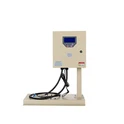
As a supplier of Box Type Inverters for Water Pumps, I've encountered numerous inquiries regarding the necessity of a cooling system for these devices. This blog post aims to delve into this topic, exploring the factors that influence the need for a cooling system and providing insights based on scientific principles and practical experience.
Understanding the Function of a Box Type Inverter for Water Pump
Before we discuss the cooling system, it's essential to understand what a Box Type Inverter for Water Pump does. These inverters are designed to control the speed of water pumps, adjusting the power supply to match the actual demand. By varying the frequency and voltage of the electrical input, they can optimize the pump's performance, reduce energy consumption, and extend the pump's lifespan.


The operation of an inverter involves complex electrical processes, including power conversion and control. During these processes, electrical components generate heat due to the resistance they encounter. If this heat is not properly managed, it can lead to a rise in temperature within the inverter, which may affect its performance and reliability.
Factors Influencing the Need for a Cooling System
Several factors determine whether a Box Type Inverter for Water Pump requires a cooling system. Let's examine these factors in detail:
Power Rating
The power rating of the inverter is one of the most critical factors. Higher power inverters handle more electrical energy, which means they generate more heat. For instance, a high - power inverter used to drive a large - capacity water pump will produce a significant amount of heat during operation. In such cases, a cooling system is often necessary to maintain the inverter's temperature within a safe operating range.
Operating Environment
The ambient temperature and humidity of the operating environment also play a crucial role. If the inverter is installed in a hot and humid location, such as a tropical climate or a poorly ventilated pump room, the heat dissipation will be more challenging. Without a proper cooling system, the accumulated heat can cause the inverter's internal components to overheat, leading to malfunctions or even permanent damage.
Duty Cycle
The duty cycle refers to the ratio of the time the inverter is in operation to the total time. If the inverter operates continuously for long periods, it will generate heat continuously. A high - duty - cycle application, such as a water supply system that runs 24/7, requires a more effective cooling solution to prevent overheating.
Efficiency of the Inverter
The efficiency of the inverter itself affects heat generation. A more efficient inverter converts electrical energy into useful work with less loss, resulting in less heat production. However, even highly efficient inverters still generate some heat, and in high - power applications, this heat can still be substantial.
Types of Cooling Systems for Box Type Inverters
If a cooling system is required, there are several types available:
Natural Convection Cooling
This is the simplest form of cooling, where heat is dissipated through the natural movement of air around the inverter. The inverter is designed with heat - dissipating fins on its surface, which increase the surface area for heat transfer. Natural convection cooling is suitable for low - power inverters or those operating in a relatively cool environment.
Forced Air Cooling
Forced air cooling uses a fan to blow air over the heat - dissipating components of the inverter. This method significantly enhances the heat transfer rate compared to natural convection. Fans can be either internal or external to the inverter box. Forced air cooling is commonly used in medium - power inverters.
Liquid Cooling
Liquid cooling systems use a coolant, such as water or a special cooling fluid, to absorb and transfer heat away from the inverter. This method is highly efficient and is often used in high - power inverters where the heat generation is extremely high. Liquid cooling systems can maintain a more stable temperature and are suitable for demanding applications.
Benefits of a Cooling System
Implementing a cooling system in a Box Type Inverter for Water Pump offers several benefits:
Improved Performance
By keeping the inverter's temperature within a safe range, a cooling system ensures that the electrical components operate at their optimal performance. This results in more stable power output and better control of the water pump.
Extended Lifespan
Overheating is one of the main causes of premature failure in electrical components. A cooling system reduces the thermal stress on the inverter's components, thereby extending their lifespan and reducing the need for frequent replacements.
Enhanced Reliability
In critical applications, such as water supply for hospitals or industrial processes, the reliability of the inverter is of utmost importance. A cooling system helps to prevent unexpected breakdowns due to overheating, ensuring continuous operation of the water pump.
Conclusion
In conclusion, whether a Box Type Inverter for Water Pump needs a cooling system depends on various factors, including power rating, operating environment, duty cycle, and inverter efficiency. For high - power inverters, those operating in harsh environments, or with high - duty - cycle applications, a cooling system is often essential.
As a supplier of Box Type Inverter for Water Pump, we understand the importance of providing reliable and efficient cooling solutions. We offer a range of inverters with different cooling options to meet the diverse needs of our customers. Our Knapsack Water Pump Inverter and Pump LCD Display Variable Speed Drive are designed with advanced cooling technologies to ensure optimal performance and longevity.
If you are in the market for a Box Type Inverter for Water Pump or have any questions regarding cooling systems, we encourage you to contact us for a detailed discussion. Our team of experts is ready to assist you in selecting the most suitable product for your specific requirements.
References
- "Power Electronics: Converters, Applications, and Design" by Ned Mohan, Tore M. Undeland, and William P. Robbins.
- "Handbook of Electric Power Calculations" by H. Wayne Beaty.