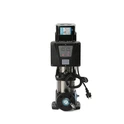
Hey there! As a supplier of water pump pressure tanks, I often get asked whether a water pump pressure tank can be used with a water filtration system. Well, let's dive right into it and explore this topic.
First off, what's a water pump pressure tank? It's a crucial component in a water supply system. Think of it as a buffer. When your water pump runs, it fills this tank with water and pressurizes it. This way, when you turn on a faucet or any water - using appliance, you get a steady flow of water without the pump having to start up every single time. It saves wear and tear on the pump and also gives you a more consistent water pressure.
Now, let's talk about water filtration systems. These are designed to remove impurities from your water. They can range from simple carbon filters that take out chlorine and improve taste, to more complex reverse - osmosis systems that can filter out heavy metals, bacteria, and other contaminants.
So, can the two work together? The short answer is yes, they can, and in fact, it's a pretty good idea to use them in tandem.
Benefits of Using a Water Pump Pressure Tank with a Water Filtration System
Consistent Water Pressure
One of the biggest advantages is maintaining a consistent water pressure through the filtration system. A water filtration system often needs a certain amount of pressure to work effectively. If the pressure fluctuates too much, it can affect the filtration process. For example, in a reverse - osmosis system, proper pressure is required to force water through the semi - permeable membrane. A water pump pressure tank ensures that the pressure remains within the optimal range for the filtration system to function at its best.
Protection for the Filtration System
When the water pump starts and stops frequently, it can create water hammer, which is a sudden increase in pressure that can damage pipes and equipment. The pressure tank acts as a shock absorber, reducing the impact of water hammer on the filtration system. This helps to extend the lifespan of the filtration system and reduces the need for costly repairs.
Improved Filtration Efficiency
With a stable water pressure, the filtration system can operate more efficiently. It allows the water to flow through the filters at a consistent rate, ensuring that all the contaminants are properly removed. For instance, in a multi - stage filtration system, a stable pressure helps each stage to do its job effectively, resulting in cleaner and better - tasting water.
How to Set Them Up Together
Placement
The pressure tank should be installed before the water filtration system in the water supply line. This way, the water enters the tank first, gets pressurized, and then flows into the filtration system at a consistent pressure.
Sizing
It's important to size both the pressure tank and the filtration system correctly. The size of the pressure tank depends on factors such as the pump capacity, the number of water - using fixtures in your home or business, and the desired water pressure. Similarly, the filtration system should be sized according to your water usage and the level of contaminants in your water.
Compatibility
Make sure that the materials used in the pressure tank and the filtration system are compatible. For example, if your filtration system uses chemicals or has a high - pH output, the pressure tank should be able to withstand these conditions without corroding or degrading.
Potential Challenges and Solutions
Air Leaks
Over time, air can leak out of the pressure tank, which can affect its performance. To solve this, you can use an air - charging system or a pre - charged bladder tank. These systems help to maintain the proper air pressure in the tank.
Clogging
The filtration system can get clogged with contaminants over time. Regular maintenance, such as changing the filters, is essential to prevent clogging. You can also install a sediment pre - filter before the main filtration system to catch larger particles and reduce the load on the main filters.
Pressure Regulation
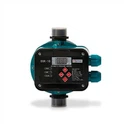
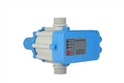
Sometimes, the pressure in the system may need to be adjusted. You can use a pressure switch to control the pump and maintain the desired pressure in the tank. Additionally, you can install a Deep Well Pump Control Box to manage the operation of the pump more precisely.
Monitoring the System
Temperature
Temperature can also affect the performance of both the pressure tank and the filtration system. You can use a Temperature Sensor to monitor the temperature of the water in the system. If the temperature gets too high or too low, it can impact the efficiency of the filtration process and the integrity of the pressure tank. A Temperature Transmitter can be used to send the temperature data to a control panel, allowing you to take appropriate action.


Pressure
Regularly check the pressure in the tank using a pressure gauge. If the pressure is too high or too low, adjust the pressure switch accordingly. You can also install a pressure relief valve to prevent over - pressurization in the system.
Conclusion
In conclusion, using a water pump pressure tank with a water filtration system is a great idea. It offers numerous benefits, including consistent water pressure, protection for the filtration system, and improved filtration efficiency. However, it's important to set them up correctly, monitor the system regularly, and address any potential challenges that may arise.
If you're interested in purchasing a water pump pressure tank for your water filtration system, or if you have any questions about how to integrate the two, feel free to reach out. I'm here to help you make the best choice for your water supply needs. Whether you're a homeowner looking for cleaner water or a business owner in need of a reliable water system, I've got you covered. Let's start a conversation and find the perfect solution for you.
References
- Water Supply Engineering textbooks
- Manufacturer's manuals for water pump pressure tanks and water filtration systems
- Industry research papers on water system optimization