


As a supplier of Clean Water Pump Controllers, I often get asked a super common question: "Can a clean water pump controller be used in a salt - water environment?" It's a valid question, and today, I'm gonna break it down for y'all.
First off, let's understand what a clean water pump controller does. A Clean Water Pump Controller is designed to manage and regulate the operation of pumps that deal with clean water. Clean water here means water that doesn't have a high concentration of impurities, chemicals, or salts. These controllers ensure that the pump starts and stops at the right times, maintains the right pressure, and overall, keeps the water - pumping system running smoothly.
Now, salt - water is a whole different ballgame. Salt - water, especially seawater, is highly corrosive. It contains a significant amount of dissolved salts, mainly sodium chloride, along with other minerals and elements. These salts can cause all sorts of problems for equipment that isn't designed to handle them.
One of the main issues is corrosion. Most clean water pump controllers are made with materials that are suitable for clean water environments. Metals like steel or aluminum, which are commonly used in the construction of these controllers, will react with the salts in salt - water. Over time, this reaction leads to rust and corrosion. Rust weakens the structural integrity of the controller. Components can break, and electrical connections can be compromised. If an electrical connection gets corroded, it might cause the controller to malfunction, or in the worst - case scenario, it could even lead to a short - circuit, which is not only bad for the controller but can also be a safety hazard.
Another problem is the build - up of salt deposits. When salt - water evaporates from the components of the controller, it leaves behind salt crystals. These deposits can accumulate on sensitive parts like sensors and switches. Sensors are crucial for the proper functioning of a pump controller as they detect things like pressure and water level. If salt deposits cover the sensors, they won't be able to accurately measure these parameters. This can lead to the pump running when it shouldn't or not running when it's needed, causing inefficiencies in the water - pumping system.
The electrical components in a clean water pump controller can also be affected by the conductive nature of salt - water. Salt - water is a good conductor of electricity due to the presence of ions. If salt - water comes into contact with the electrical parts of the controller, it can cause electrical leakage. This not only wastes energy but can also lead to damage of the components.
However, does this mean that under no circumstances can a clean water pump controller be used in a salt - water environment? Well, it's not that black - and - white. There are situations where a clean water pump controller might seem to work in a salt - water situation for a short period. For example, if the concentration of salt in the water is relatively low, or if the exposure to salt - water is minimal and occasional. But even in these cases, it's a risky move.
If you're desperate and have no other option but to use a clean water pump controller in a salt - water environment, you can take some precautions. First, you can try to protect the controller with a proper enclosure. A sealed and waterproof enclosure can prevent direct contact between the controller and the salt - water. But keep in mind that over time, even small amounts of salt - water can seep in through tiny cracks or gaps.
Regular maintenance is also crucial. You need to clean the controller frequently to remove any salt deposits. This involves carefully disassembling the controller (if possible) and using a non - corrosive cleaning agent to wipe down all the components. However, this kind of maintenance can be time - consuming and requires a certain level of technical knowledge.
On the other hand, if you're dealing with a long - term salt - water application, it's highly recommended that you use a pump controller specifically designed for salt - water environments. These controllers are built with materials that are resistant to corrosion. They use special coatings on the metal parts and have waterproof and salt - resistant seals. They are also designed to handle the electrical conductivity of salt - water without getting damaged.

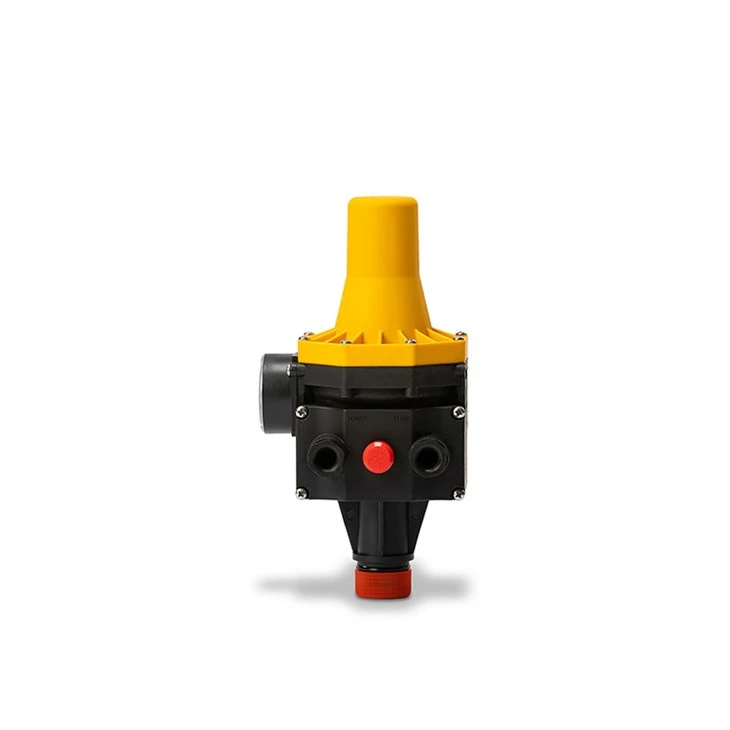
Some common features of salt - water - resistant pump controllers include corrosion - resistant plastics and rubbers, stainless - steel hardware, and sealed electrical connections. These controllers are more expensive than clean water pump controllers, but they offer much better reliability and longevity in a salt - water environment.
Now, let's talk a bit about the different types of pump controllers we offer. Our Electric Water Pump Controller is a high - quality product that is perfect for clean water applications. It's easy to install and operate, and it provides reliable control of electric water pumps.
We also have an Adjustable Pump Pressure Controller. This controller allows you to set and adjust the pressure at which the pump starts and stops. It gives you more flexibility in managing your water - pumping system, especially in clean water scenarios where you might have different pressure requirements.
If you're still undecided about whether a clean water pump controller can work for your salt - water needs, or if you're interested in our range of pump controllers for clean water or other applications, we're here to help. Contact us to discuss your specific requirements. Whether you're a homeowner with a small water - pumping system or a business with large - scale water management needs, we can provide you with the right solution. Our team of experts is always ready to offer advice and support to ensure that you get the most suitable pump controller for your situation. Don't hesitate to reach out to start a productive discussion about your pump - controller requirements.
References
- ASM Handbook Committee. (2002). ASM Handbook Volume 13C: Corrosion: Environmental Degradation. ASM International.
- Czichos, H., Saito, T., & Smith, P. J. (Eds.). (2006). Springer Handbook of Materials Science. Springer.


