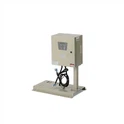
In the realm of industrial operations, the efficiency and reliability of factory water pumps are of utmost importance. Water pump switches play a crucial role in controlling the operation of these pumps, ensuring that water is pumped when needed and stopped when the desired level is reached. However, like all mechanical and electrical components, these switches have a limited lifespan. When they reach the end of their useful life, it's essential to consider proper recycling options to minimize environmental impact and potentially recover valuable materials. As a Factory Water Pump Switch supplier, I am well - versed in the various aspects of these devices and their end - of - life management.
Understanding Old Factory Water Pump Switches
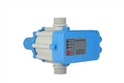
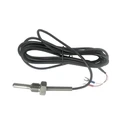
Factory water pump switches come in different types, including pressure switches, float switches, and temperature switches. Pressure switches, such as the Automatic Pump Pressure Switch, are designed to turn the pump on and off based on the water pressure in the system. Float switches use a floating mechanism to detect the water level and control the pump accordingly. Temperature switches, on the other hand, respond to changes in water temperature to regulate the pump operation.
These switches are typically made up of a combination of materials. The housing is often made of plastic, which provides insulation and protection for the internal components. Inside, there are electrical contacts made of metals like copper, silver, or gold, which are excellent conductors of electricity. There may also be springs, diaphragms, and other mechanical parts made of steel or other alloys.
Recycling Options for Old Factory Water Pump Switches
1. Component Separation and Metal Recovery
One of the primary recycling methods for old water pump switches is component separation. This process involves disassembling the switch to separate the different materials. For example, the plastic housing can be removed from the internal electrical and mechanical components. The metals, such as copper, silver, and gold, can then be recovered through a series of processes.
Copper, which is commonly used in electrical contacts, can be melted down and refined to produce new copper products. Silver and gold, although present in smaller quantities, are highly valuable metals. Their recovery not only conserves natural resources but also has economic benefits. Specialized recycling facilities use techniques like smelting and chemical extraction to separate these metals from the other components of the switch.
2. Plastic Recycling
The plastic housing of the water pump switch can also be recycled. However, different types of plastics require different recycling processes. Most plastic housings are made of thermoplastics, which can be melted and re - formed into new products. The first step in plastic recycling is to sort the plastics by type. This is important because different plastics have different melting points and properties.


Once sorted, the plastics are cleaned to remove any contaminants. They are then shredded into small pieces and melted. The molten plastic can be extruded into new shapes or used as raw material for the production of other plastic products. Some recycling facilities may also use chemical recycling methods, which break down the plastic polymers into their original monomers for further processing.
3. Reuse and Refurbishment
In some cases, old water pump switches can be refurbished and reused. If the switch has only minor defects, such as a worn - out contact or a loose spring, it can be repaired and restored to working condition. Refurbished switches can be sold at a lower cost compared to new ones, providing a more affordable option for some customers.
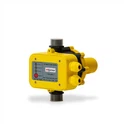
For example, a G1.25 Water Pump Controller that has a faulty pressure sensor may only need the sensor to be replaced. After replacement and proper testing, the controller can be put back into service. This not only reduces waste but also extends the useful life of the product.
4. Hazardous Material Disposal
Some water pump switches may contain hazardous materials, such as lead - based solder or certain types of chemicals used in the manufacturing process. These hazardous materials need to be handled and disposed of properly to prevent environmental contamination.
Specialized waste management companies are equipped to handle these types of materials. They follow strict regulations and guidelines to ensure that the hazardous substances are safely removed and disposed of. For example, lead - based solder can be removed from the electrical contacts and sent to a facility that can process it in an environmentally friendly way.
Benefits of Recycling Old Factory Water Pump Switches
1. Environmental Benefits
Recycling old water pump switches helps to conserve natural resources. By recovering metals and plastics, we reduce the need for mining and the production of new materials. This, in turn, reduces the environmental impact associated with these activities, such as deforestation, water pollution, and soil degradation.
Recycling also reduces the amount of waste that ends up in landfills. Landfills are a major source of environmental problems, including the release of greenhouse gases and the contamination of groundwater. By diverting old water pump switches from landfills, we can help to mitigate these issues.
2. Economic Benefits
The recycling of old water pump switches can have significant economic benefits. Metal recovery, in particular, can generate revenue. The recovered metals can be sold on the market, providing a source of income for recycling facilities. Additionally, the reuse and refurbishment of switches can create jobs in the repair and recycling industries.
For customers, using refurbished switches can save money. They can get a functional water pump switch at a lower cost, which is especially beneficial for small businesses or those on a tight budget.
Challenges in Recycling Old Factory Water Pump Switches
1. Complexity of Disassembly
One of the main challenges in recycling old water pump switches is the complexity of disassembly. These switches are often designed to be compact and durable, which means that they are difficult to take apart. The small size of the components and the use of adhesives or screws can make the disassembly process time - consuming and labor - intensive.
2. Contamination and Mixed Materials
Another challenge is the presence of contaminants and mixed materials. The switches may be dirty or have been exposed to chemicals during their use. This can make the recycling process more complicated, as the contaminants need to be removed before the materials can be recycled. Additionally, some switches may be made up of a complex mixture of materials, which can make it difficult to separate and recycle them effectively.
3. Lack of Awareness and Infrastructure
Many businesses and consumers are not aware of the importance of recycling old water pump switches or the available recycling options. There is also a lack of adequate recycling infrastructure in some areas. This means that it can be difficult to find a suitable recycling facility to handle these switches.
As a Supplier: Our Role in Encouraging Recycling
As a Factory Water Pump Switch supplier, we have a responsibility to encourage and facilitate the recycling of our products. We can provide information to our customers about the importance of recycling and the available recycling options. We can also work with recycling facilities to ensure that our old switches are properly recycled.
We can offer take - back programs, where customers can return their old switches to us. We will then send these switches to the appropriate recycling facilities for processing. This not only makes it easier for our customers to recycle their old switches but also helps us to track and manage the recycling process.
Conclusion
Recycling old factory water pump switches is an important step towards a more sustainable future. By separating and recovering the valuable materials, recycling the plastics, and reusing or refurbishing the switches when possible, we can reduce environmental impact and conserve natural resources. Although there are challenges in the recycling process, such as disassembly complexity and contamination, these can be overcome with proper planning and the right infrastructure.
As a supplier, we are committed to providing high - quality products, such as the High Quality Water Pump Controller, and promoting their proper end - of - life management. We encourage our customers to consider recycling their old water pump switches and are always ready to assist them in this process. If you are interested in purchasing our water pump switches or have any questions about recycling, please feel free to contact us for further discussion and potential business cooperation.
References
- "Recycling of Electrical and Electronic Equipment" - International Journal of Recycling of Materials
- "The Economics of Metal Recycling" - Journal of Environmental Economics and Management
- "Plastic Recycling Technologies" - Polymer Recycling Journal