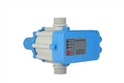
In the realm of water management systems, variable - speed pump systems have revolutionized the way we handle water supply. At the heart of these systems lies a crucial component: the water pump pressure controller. As a leading supplier of water pump pressure controllers, I am well - versed in how these devices work and their significance in variable - speed pump systems.
Understanding Variable - Speed Pump Systems
Before delving into the function of a water pump pressure controller, it's essential to understand variable - speed pump systems. Unlike traditional fixed - speed pumps that operate at a constant speed, variable - speed pumps can adjust their speed according to the demand for water. This flexibility allows them to provide a more efficient and stable water supply.
Variable - speed pump systems are commonly used in various applications, such as residential water supply, industrial water circulation, and agricultural irrigation. In a residential setting, for example, the water demand varies throughout the day. During peak hours when multiple faucets are in use, a higher water flow rate is required. In contrast, during off - peak hours, the demand drops significantly. A variable - speed pump can adapt to these changes, reducing energy consumption and wear and tear on the pump.
The Role of a Water Pump Pressure Controller
The water pump pressure controller is the brain of the variable - speed pump system. Its primary function is to monitor the water pressure in the system and adjust the pump's speed accordingly. This ensures that the water pressure remains within a pre - set range, providing a consistent and reliable water supply.
Pressure Sensing
The first step in the process is pressure sensing. The water pump pressure controller is equipped with a pressure sensor that continuously measures the water pressure in the system. This sensor can be a mechanical or electronic device, depending on the type and design of the controller.
Mechanical pressure sensors typically use a diaphragm or a Bourdon tube to detect changes in pressure. As the pressure changes, the diaphragm or tube deforms, which is then translated into an electrical or mechanical signal. Electronic pressure sensors, on the other hand, use semiconductor technology to measure pressure. They are more accurate and responsive than mechanical sensors and are commonly found in modern water pump pressure controllers.
Comparison and Control
Once the pressure is sensed, the water pump pressure controller compares the measured pressure with the pre - set pressure range. If the measured pressure is lower than the set minimum pressure, it indicates that the demand for water is high, and the pump needs to increase its speed to maintain the pressure. Conversely, if the pressure is higher than the set maximum pressure, it means that the demand is low, and the pump should slow down to avoid over - pressurization.
To achieve this, the controller sends a control signal to the pump's motor drive. In a variable - speed pump system, the motor drive is responsible for adjusting the frequency and voltage supplied to the pump motor, which in turn controls the speed of the pump. The control signal can be an analog or digital signal, depending on the type of motor drive and the controller.
Feedback Loop
The water pump pressure controller operates in a feedback loop. As the pump adjusts its speed based on the control signal, the pressure in the system changes. The pressure sensor then measures the new pressure, and the controller compares it again with the set range. This continuous cycle of sensing, comparing, and controlling ensures that the water pressure remains stable and within the desired range.
Types of Water Pump Pressure Controllers
There are several types of water pump pressure controllers available in the market, each with its own features and advantages.


Standard Pressure Controllers
Standard pressure controllers are the most basic type. They have a fixed pressure setpoint and turn the pump on and off when the pressure reaches the set minimum and maximum values. These controllers are simple and inexpensive, but they are not suitable for variable - speed pump systems as they do not allow for continuous speed adjustment.
Electronic Pressure Controllers
Electronic pressure controllers are more advanced and offer precise control over the water pressure. They can be programmed to adjust the pump speed based on a variety of parameters, such as pressure, flow rate, and time. Some electronic pressure controllers also come with additional features like LCD displays, which provide real - time information about the pressure and pump status. You can find high - quality electronic pressure controllers like our LCD Pump Pressure Switch on our website.
Smart Pressure Controllers
Smart pressure controllers are the latest innovation in water pump control technology. They are equipped with sensors and communication modules that allow them to connect to a network or a smartphone app. This enables remote monitoring and control of the pump system, as well as advanced features like predictive maintenance and energy management.
Benefits of Using a Water Pump Pressure Controller in a Variable - Speed Pump System
The combination of a water pump pressure controller and a variable - speed pump offers numerous benefits.
Energy Efficiency
Variable - speed pumps controlled by a pressure controller can adjust their speed based on the actual water demand. This means that they consume less energy compared to fixed - speed pumps, which operate at a constant speed regardless of the demand. By reducing energy consumption, these systems can help users save on their electricity bills and contribute to a more sustainable environment.
Extended Pump Lifespan
The continuous adjustment of the pump speed by the pressure controller reduces the stress on the pump motor and other components. This results in less wear and tear, extending the lifespan of the pump and reducing the need for frequent maintenance and replacement.
Consistent Water Pressure
One of the most significant advantages of using a water pump pressure controller is the ability to maintain a consistent water pressure. Whether it's for showers, faucets, or industrial processes, a stable water pressure ensures optimal performance and user satisfaction.
Our Products
As a water pump pressure controller supplier, we offer a wide range of high - quality products to meet the diverse needs of our customers. Our Factory Water Pump Switch is designed for industrial applications, providing reliable and precise control over water pumps. It is built with high - quality materials and advanced technology to ensure long - term durability and performance.
For customers who require products that meet international standards, we recommend our Water Pump Pressure Controller with CE TUV Certificate. This controller has passed rigorous testing and certification processes, ensuring its quality and safety.
Contact Us for Purchase and Negotiation
If you are interested in our water pump pressure controllers or have any questions about our products, we encourage you to contact us for purchase and negotiation. Our team of experts is ready to provide you with detailed product information, technical support, and competitive pricing. We are committed to meeting your water management needs and providing you with the best solutions.
References
- Smith, J. (2020). Pump Handbook. New York: McGraw - Hill.
- Johnson, R. (2019). Water Supply Systems: Design and Operation. London: Elsevier.
- Brown, A. (2021). Variable - Speed Drives for Water Pumps. Journal of Water Science and Technology, 45(2), 123 - 135.