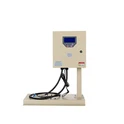
Hey folks! As a supplier of Water Pump Pressure Controllers, I get a lot of questions from customers about what to do when their pressure controller isn't working. It can be a real headache when your water pump's not doing its job, but don't worry—I'm here to walk you through how to troubleshoot these issues.


1. Check the Basics
First things first, let's start with the simple stuff. You'd be surprised how often the problem is something super easy to fix.
Power Supply
The very first thing you need to do is make sure your pressure controller is getting power. Check if the power cord is plugged in properly. If it has a switch, make sure it's turned on. Sometimes, the circuit breaker might have tripped. Head over to your electrical panel and see if the breaker for the water pump is in the "on" position. If it's tripped, switch it off and then back on.
Pressure Tank
Your pressure tank plays a big role in how your pump operates. Check the air pressure in the tank. You can use a tire pressure gauge to measure it. The air pressure should generally be 2 - 3 psi lower than the cut - in pressure of your pump controller. If the pressure is too high or too low, you'll need to adjust it. To release air, just use a small screwdriver to press the valve in the tank, similar to the one on a tire. To add air, you can use an air compressor.
2. Examine the Pressure Switch
The pressure switch is a key component of your water pump pressure controller. It's the part that tells the pump when to turn on and off based on the water pressure.
Visual Inspection
Take a good look at the pressure switch. Check if there are any signs of damage, like burnt wires or cracked plastic. Sometimes, moisture can get inside the switch and cause corrosion. If you see any damage, it might be time to replace the switch. You can find high - quality Automatic Pump Pressure Switch on our website.
Settings
The pressure switch has two important settings: cut - in and cut - out pressures. The cut - in pressure is the level at which the pump starts, and the cut - out pressure is when it stops. You can usually adjust these settings with small screws on the switch. Make sure the settings are appropriate for your system. If they're set too low or too high, the pump might not work correctly.
Switch Operation
Test the switch's operation. You can do this by gently tapping on it with a small tool while the power is off. Sometimes, the switch can get stuck, and a little tap can free it up. If that doesn't work, you can use a multimeter to check if the switch is conducting electricity properly. Set the multimeter to the ohms setting and touch the probes to the switch's terminals. If there's no continuity, the switch is probably faulty and needs to be replaced.
3. Look at the Pump Itself
The problem might not be with the pressure controller at all but with the pump.
Motor
Check the pump motor. Listen for any strange noises when the pump is supposed to be running. A grinding or humming sound can indicate a problem with the motor. If the motor is overheating, it might shut off automatically. Make sure the motor is well - ventilated and there's no debris blocking the vents.
Impeller
The impeller is the part of the pump that moves the water. If it's damaged or clogged, the pump won't be able to build up enough pressure. You'll need to disassemble the pump to check the impeller. Look for any signs of wear, damage, or debris. If it's clogged, clean it carefully. If it's damaged, you'll need to replace it.
Leaks
Inspect the pump for leaks. A leak can cause a drop in pressure, which can make the pressure controller behave erratically. Look for any water around the pump or along the pipes. If you find a leak, you'll need to repair it. Tighten any loose connections or replace any damaged gaskets or seals.
4. Check the Pipes and Valves
The pipes and valves in your water system can also cause problems for the pressure controller.
Pipe Blockages
Over time, pipes can get clogged with sediment, dirt, or mineral deposits. This can restrict the flow of water and cause the pressure to drop. Check the pipes for any signs of blockage. You might need to remove some sections of the pipe to inspect them more closely. If you find a blockage, you can try using a pipe cleaner or a high - pressure water jet to clear it.
Valve Issues
Valves can get stuck open or closed, which can affect the water pressure. Check all the valves in your system, including the main shut - off valve and any check valves. Make sure they're opening and closing properly. If a valve is stuck, you might need to lubricate it or replace it.
5. Electronic Components (if applicable)
Some modern water pump pressure controllers have electronic components.
Sensors
These controllers often have pressure sensors that measure the water pressure. If the sensor is faulty, it can send incorrect signals to the controller. You can use a pressure gauge to compare the reading on the controller with the actual water pressure. If they don't match, the sensor might be the problem. You can find replacement sensors for most models.
Circuit Board
Look for any signs of damage on the circuit board, such as burnt components or loose connections. If you're comfortable working with electronics, you can try to repair the board. Otherwise, it's best to replace it. We offer high - quality circuit boards for many types of water pump pressure controllers, like our Clean Pump Controller with European Plug and G1.25 Water Pump Controller.
Conclusion
Troubleshooting a water pump pressure controller that's not working can seem daunting, but by going through these steps one by one, you can usually find and fix the problem. Remember, if you're ever unsure or if the problem persists, it might be a good idea to call in a professional.
If you're looking for high - quality water pump pressure controllers or replacement parts, we're here to help. We have a wide range of products to meet your needs. Whether you're a homeowner or a professional contractor, we've got you covered. Contact us to discuss your specific requirements and to get the best solutions for your water pumping system.
References
- Personal experience as a Water Pump Pressure Controller supplier.
- General knowledge of water pump systems and their troubleshooting techniques.