Are there any environmental benefits of using a household water pump controller?
As a supplier of household water pump controllers, I've often been asked about the environmental impact of our products. In this blog post, I'll explore the various environmental benefits that come with using a household water pump controller.
1. Water Conservation
One of the most significant environmental benefits of using a household water pump controller is water conservation. Traditional water pumps often run continuously, even when there is no demand for water. This leads to a significant amount of water wastage. A water pump controller, on the other hand, can be programmed to turn the pump on and off based on the water level or pressure. For example, when the water tank is full, the controller will automatically stop the pump, preventing overfilling and water spillage.
According to a study by the Environmental Protection Agency (EPA), a significant portion of household water usage can be reduced by using smart water management devices. A water pump controller is one such device that can help households save water. By ensuring that the pump only runs when necessary, it can reduce water consumption by up to 30%. This not only helps in conserving a precious natural resource but also reduces the energy required to pump and treat water.
2. Energy Efficiency
Another major environmental benefit of using a household water pump controller is energy efficiency. Traditional water pumps consume a large amount of energy, especially when they run continuously. A water pump controller can optimize the pump's operation by adjusting the speed and power based on the water demand. For instance, during periods of low water usage, the controller can reduce the pump's speed, thereby consuming less energy.
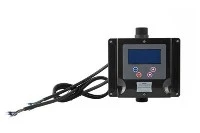
Modern water pump controllers, such as the Water Pump Pressure Controller with CE TUV Certificate, are designed to be highly energy - efficient. They use advanced sensors and algorithms to monitor the water flow and pressure, and then adjust the pump's operation accordingly. This results in a significant reduction in energy consumption. Energy savings can range from 20% to 50%, depending on the type of pump and the water usage pattern. Reducing energy consumption not only lowers the household's electricity bill but also reduces the carbon footprint associated with power generation.
3. Reduced Wear and Tear on Pumps
A household water pump controller can also extend the lifespan of the water pump. By controlling the start and stop cycles of the pump, it reduces the stress on the pump's motor and other components. In traditional systems, frequent starts and stops can cause excessive wear and tear on the pump, leading to premature failure. A water pump controller ensures that the pump starts and stops smoothly, which helps in maintaining the pump's mechanical integrity.
When pumps last longer, there is less need for replacement. This reduces the amount of waste generated from discarded pumps. Additionally, manufacturing new pumps requires a significant amount of raw materials and energy. By extending the lifespan of existing pumps, we can reduce the environmental impact associated with pump production.
4. Improved Water Quality
Some water pump controllers are equipped with features that can improve water quality. For example, Wide Voltage Water Pump Controller can be used in conjunction with water treatment systems. These controllers can ensure that the water treatment process is optimized by controlling the flow of water through the treatment system.
By maintaining a consistent water flow and pressure, the water treatment system can work more effectively. This helps in removing contaminants and impurities from the water, resulting in better - quality water for household use. Cleaner water reduces the need for additional water treatment chemicals, which can have a negative impact on the environment.
5. Smart Monitoring and Control
Many modern household water pump controllers come with smart monitoring and control features. These controllers can be connected to a smartphone or a home automation system, allowing users to monitor and control the pump remotely. This feature enables users to make informed decisions about water usage.
For example, if a user is away from home and notices that the water pump is running when it shouldn't be, they can turn it off using their smartphone. This real - time control helps in preventing water and energy wastage. Moreover, the data collected by the controller can be used to analyze water usage patterns and identify areas where further conservation can be achieved.
6. Compatibility with Renewable Energy Sources
Household water pump controllers can be easily integrated with renewable energy sources such as solar panels. Solar - powered water pumps are becoming increasingly popular as they offer a sustainable and cost - effective way to pump water. A water pump controller can manage the power supply from the solar panels to the pump, ensuring that the pump operates efficiently even when the solar power is variable.
By using renewable energy to power the water pump, households can reduce their reliance on fossil fuels. This not only helps in reducing greenhouse gas emissions but also contributes to a more sustainable energy future.
Conclusion
In conclusion, there are numerous environmental benefits of using a household water pump controller. From water conservation and energy efficiency to reduced wear and tear on pumps and improved water quality, these controllers play a crucial role in promoting a more sustainable and eco - friendly lifestyle.


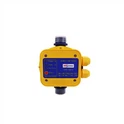
If you're interested in learning more about our household water pump controllers or are considering purchasing one for your home, we encourage you to reach out to us for a detailed discussion. Our team of experts can help you choose the right controller for your specific needs and provide you with all the necessary information. We believe that by using our Automatic Pump Pressure Switch and other high - quality water pump controllers, you can make a positive impact on the environment while also enjoying the benefits of efficient water management.
References
- Environmental Protection Agency. (Year). Water conservation in households. [Report Name].
- Various industry reports on energy - efficient water pump technologies.